
Last updated September 25, 2026
Seasonal ADU Care for Riverside: Year-Round Homeowner’s Guide
The Inland Empire averages 18 or more days above 100°F each summer. In our experience at Ellery ADU Studio Riverside, an ADU maintained on a coastal California schedule - the kind of advice copied from San Diego or Los Angeles guides - will show premature failure in Riverside within three to five years. Mini-split coils clogged with dust, stucco cracks from soil expansion after monsoonal moisture, and Santa Ana wind damage to vent screens are not cosmetic issues here. They are habitability complaints, rent-withholding events, and warranty disputes waiting to happen. This guide is organized around Riverside’s actual seasonal hazards: triple-digit heat, Santa Ana wind events, freeze risk in elevated neighborhoods, and the humidity cycling that follows winter rains. Follow this calendar, document what you find, and your ADU stays rentable, insurable, and within the terms of any warranty you hold.
Quick Answer
ADU maintenance in Riverside follows a four-season schedule driven by high-desert-adjacent climate stress: HVAC service in spring before cooling season, stucco and seal inspection after summer soil expansion, Santa Ana wind prep in fall, and freeze protection in elevated zones during winter. Document every inspection with dated photos to support warranty claims and tenant disputes.
Table of Contents
- Summer: Surviving Triple-Digit Heat in Your Riverside ADU
- Fall: Santa Ana Wind Preparation
- Winter: Freeze Risk in Riverside’s Elevated Neighborhoods
- Spring: Post-Rain Recovery and Cooling Season Prep
- Documentation Practices for Warranty and Insurance
- Special Considerations for Prefab and Modular ADUs
- Common Mistakes to Avoid
- When to Call a Professional
- Frequently Asked Questions
Summer: Surviving Triple-Digit Heat in Your Riverside ADU
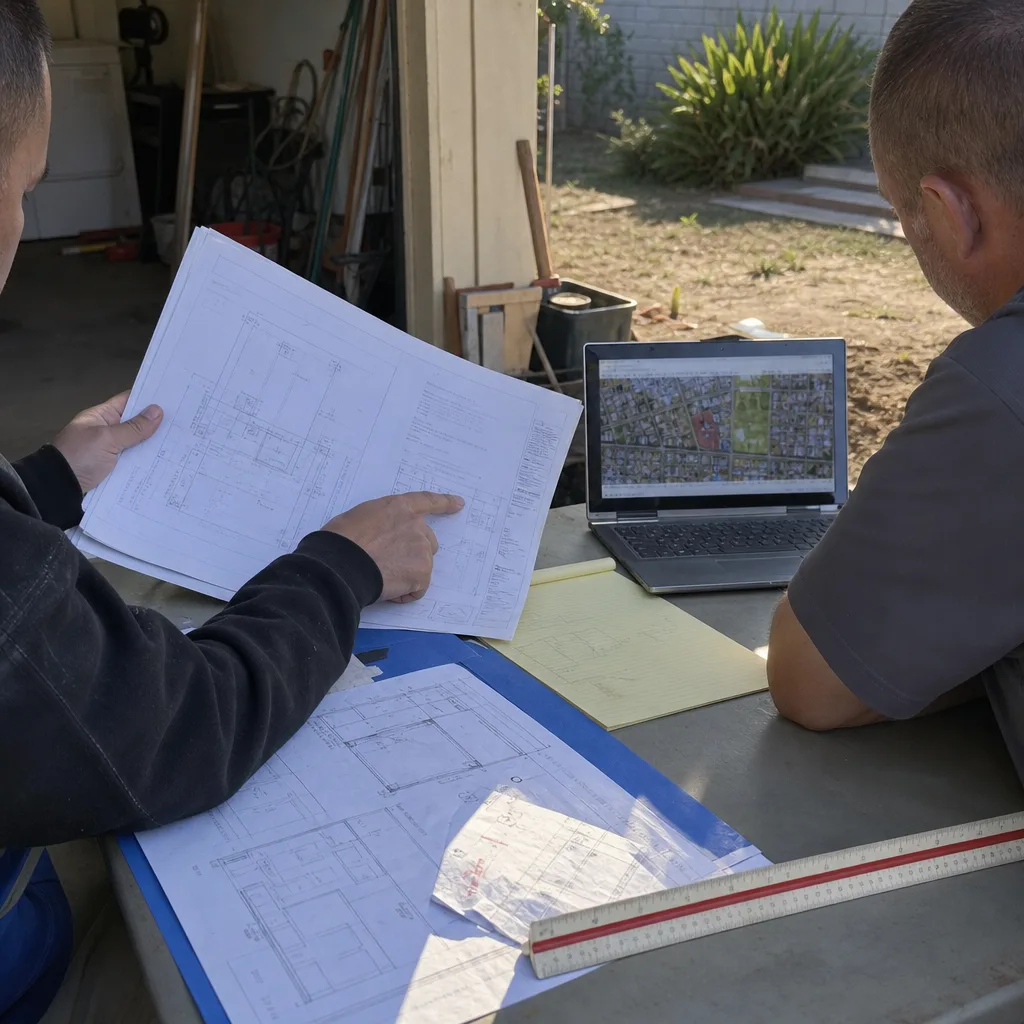
June through September in Riverside is not a warm season. It is a thermal stress event. The National Weather Service records 100°F+ days concentrated in July and August, with overnight lows that rarely drop below 70°F. An ADU’s building envelope and mechanical systems are under constant load for 90 to 120 consecutive days. Here is what we inspect on every ADU Design & Permitting in Riverside project before handoff, and what owners should repeat annually.
HVAC Service Timing: Before the First 100°F Day
The mini-split or heat pump in a typical Riverside ADU is sized for the cooling load of a structure with less thermal mass than the main house. That means it runs longer cycles, accumulates dust faster, and operates closer to its rated capacity. A system that is 10% low on refrigerant or has a partially clogged evaporator coil will not fail gracefully. It will run continuously, spike your tenant’s electricity bill, and eventually trip on high-pressure lockout.
Schedule professional HVAC service in May, not July. The service should include:
- Refrigerant pressure verification against manufacturer specs for the specific model
- Evaporator and condenser coil cleaning - Riverside dust is alkaline and binds to wet coils
- Condensate drain line flush and trap inspection
- Filter replacement with MERV rating appropriate to the system (never higher than specified)
- Electrical connection torque check, especially on units exposed to Santa Ana wind vibration
Under Haven Standard Clause 5 (No Surprises), our projects include a written handoff document with the exact model numbers, refrigerant type, and recommended filter specification. If your ADU was built by another firm, locate this information before calling for service. A technician who guesses costs you money.
Stucco and Caulk Inspection After Soil Expansion
Riverside’s clay-heavy soils expand when moist and contract when dry. Summer heat pulls moisture from the soil rapidly after any late-spring rain. The resulting soil movement transfers stress to the ADU foundation and, through the framing, to the exterior stucco.
Inspect stucco in late September, not mid-summer when thermal expansion masks cracks. Look for:
- Hairline cracks radiating from window and door corners - these indicate frame movement
- Horizontal cracks at the foundation line - potential stem-wall settlement
- Caulk separation at penetrations: hose bibs, electrical conduit, gas lines
Caulk failure is not cosmetic. In Riverside’s dry heat, separated caulk becomes a path for monsoonal moisture in late summer, accelerating the expansion-contraction cycle. Re-caulk with a paintable, exterior-grade silicone-polyurethane hybrid rated for 50% joint movement. The $12 tube prevents the $400 stucco repair.
Window Seal Verification
Single-pane or improperly sealed windows in a Riverside ADU add 15-25% to cooling load, by most mechanical engineering estimates. Verify weatherstripping compression and sash lock alignment. If you hold a lit incense stick near a closed window and see smoke disturbance, you have a seal failure. Document with a dated photo; this supports tenant habitability disputes and insurance claims if the unit becomes uninhabitable due to temperature.
Fall: Santa Ana Wind Preparation
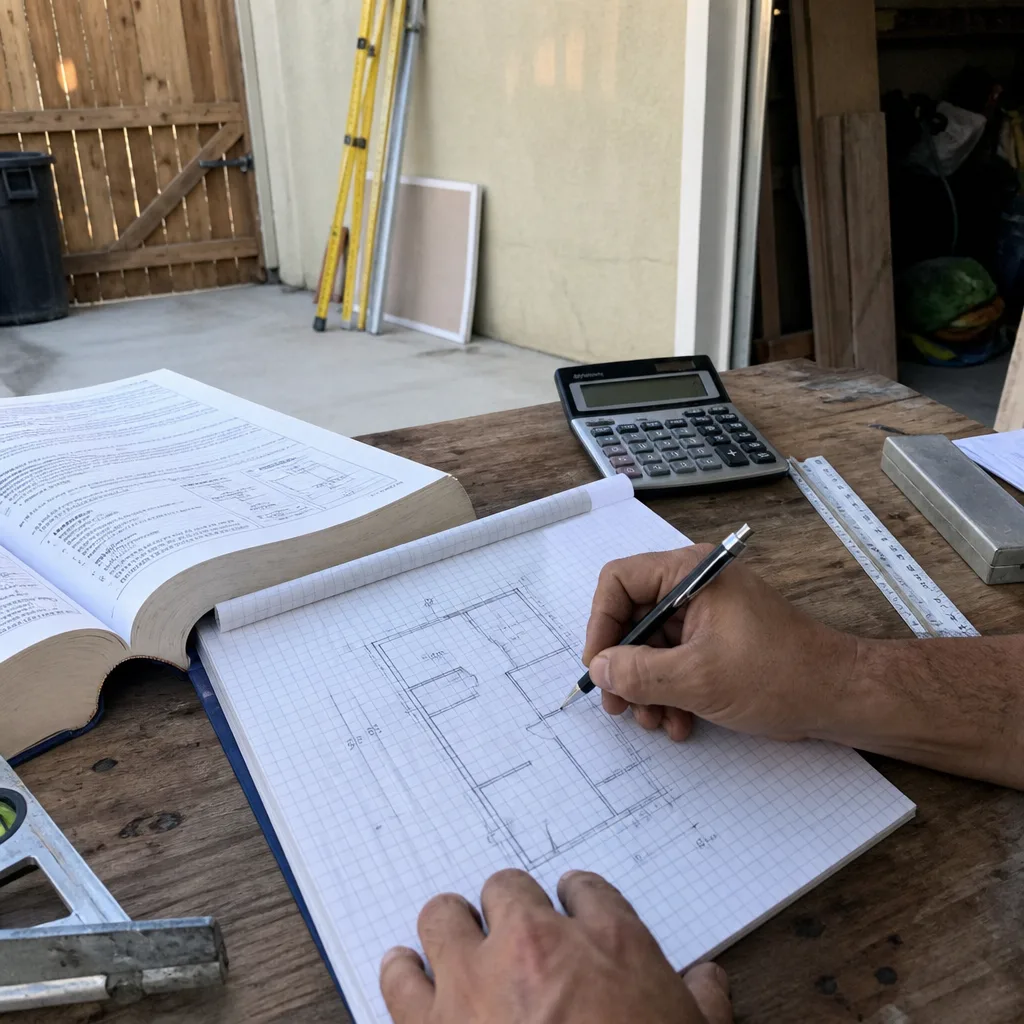
October and November bring the Santa Ana winds: dry, hot, sustained gusts of 40-60 mph with localized peaks above 80 mph. Riverside sits in the wind shadow of the San Bernardino Mountains, which accelerates and compresses these events. An ADU with loose roof attachments, clogged vent screens, or failing exterior paint will not survive a decade of this.
Roof Attachment Inspection
On a New Detached ADU in Riverside, the roof-to-wall connection is the critical detail. Inspect:
- Tile roofs: cracked or slipped tiles, especially at ridges and hips where wind uplift concentrates
- Composition shingles: lifted tabs, missing fasteners, or exposed underlayment
- Metal roofs: fastener back-out, especially at panel ends and trim
- Flat roofs: membrane uplift at parapet walls, drain seal integrity
For garage conversion ADUs with original roof structures, pay attention to the existing rafter-to-top-plate connection. Pre-1990 construction in Riverside often used toe-nailing alone, without hurricane straps. A structural upgrade may be warranted if you are already in the attic for other work. We document the existing condition during our initial site survey for every Garage Conversion ADU in Riverside and specify any structural reinforcement in the permit set.
Vent Screen Clearing
Santa Ana winds carry fine dust, leaf litter, and embers during fire season. Clogged vent screens force exhaust fans and dryers to work harder, and they create ember entry points during red-flag warnings. Remove and wash screens; verify damper operation on range hoods and bathroom fans. Replace any screen with mesh larger than 1/8 inch with 1/16 inch ember-resistant mesh if your ADU is in a wildland-urban interface zone, which includes portions of Riverside’s eastern and northern edges.
Exterior Paint Inspection Before Dry Season Peaks
Fall is the last opportunity to repaint before winter temperature swings. In Riverside, paint failure accelerates when applied over surfaces above 90°F or below 50°F. Inspect:
- South- and west-facing walls for chalking, the powdery residue of oxidized binder
- Trim and fascia for peeling at end-grain, where moisture wicks in during winter
- Door and window frames for cracking at joints, which indicates substrate movement
Repaint with 100% acrylic latex rated for 10-year durability. The cost of a five-gallon bucket and two days of work is less than one month’s lost rent from a tenant complaint about “deteriorating conditions.”
Winter: Freeze Risk in Riverside’s Elevated Neighborhoods
Riverside’s valley floor rarely freezes. The elevated neighborhoods - Alessandro Heights, Hawarden Hills, Wood Streets, and portions of Canyon Crest - see 5-15 nights below 32°F annually, with pockets that drop to the mid-20s during radiational cooling events. An ADU in these zones with uninsulated pipes or an improperly configured tankless water heater is at risk.
Pipe Insulation Check
Inspect all exposed water supply lines: under the ADU if on piers, in exterior walls, and at hose bibs. Pipe insulation should be closed-cell foam, minimum 1/2 inch wall thickness, with UV-resistant jacketing if exposed to sunlight. In Riverside’s climate, standard fiberglass pipe wrap degrades in two seasons of sun exposure.
Pay special attention to:
- Backflow preventer assemblies on irrigation lines - these are often outside the ADU envelope and freeze first
- Tankless water heater inlet and outlet connections, which are metal and conduct cold rapidly
- Condensate drain lines from high-efficiency furnaces, which can ice up and trip safety switches
Tankless Water Heater Cold-Start Protocol
Tankless units installed in exterior closets or on exterior walls are common in Riverside ADUs to save interior space. Most modern units have freeze-protection heaters, but these require continuous power. Verify:
- The unit is on a dedicated circuit that will not be turned off at the breaker
- The freeze-protection setting is enabled in the control menu (consult the manual for the specific model)
- Drain plugs are accessible and the unit can be drained if power is lost for more than 24 hours
If your ADU uses a Mighty Buildings or Boxabl unit, consult the manufacturer’s winterization guide for any model-specific protocols. These systems have integrated MEP (mechanical, electrical, plumbing) layouts that may differ from site-built configurations.
Foundation and Drainage After Winter Rains
Riverside’s winter rains are concentrated in December through February, with occasional atmospheric river events that drop 2-4 inches in 24 hours. Inspect grading around the ADU perimeter. The finish grade should slope away at minimum 2% (1/4 inch per foot) for 6 feet. Pooled water against the foundation creates hydrostatic pressure, and in clay soils, it triggers the expansion that produces summer stucco cracks.
Check downspout discharge points. Extensions should terminate 6 feet from the foundation or connect to a subsurface drainage system. In Riverside’s older neighborhoods, downspouts often discharge directly onto concrete walks that slope toward the structure - a code violation in new construction that persists in existing work.
Spring: Post-Rain Recovery and Cooling Season Prep
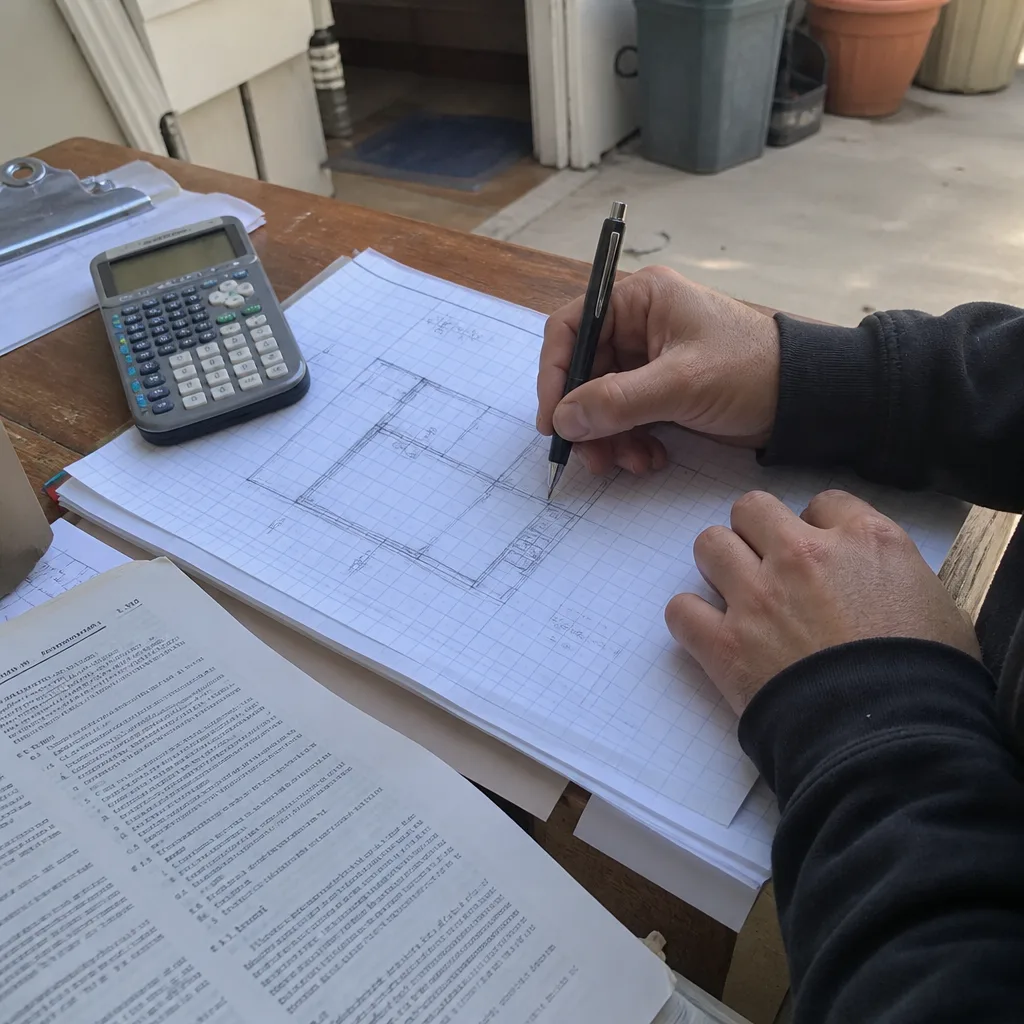
March through May is Riverside’s most variable season. Daytime temperatures swing from 60°F to 90°F. Humidity spikes after winter rains, then drops rapidly. This cycling stresses exterior materials and creates the maintenance window before summer heat arrives.
Foundation Drainage Inspection
After the last significant rain, typically late March, walk the ADU perimeter with a level and a tape measure. Look for:
- Settled or eroded areas where the 2% slope has flattened or reversed
- Cracks in concrete walks or patios that now channel water toward the foundation
- Planter beds built against the ADU wall that trap moisture
Regrade with compacted soil or install a French drain if the slope cannot be achieved. For ADUs on sloped lots, common in Riverside’s Orangecrest and Mission Grove areas, verify that subsurface drains are flowing freely. A clogged drain line in spring becomes a foundation repair in fall.
HVAC Filter Replacement Before Cooling Season
Replace filters in April, even if they appear clean. Riverside’s spring winds carry pollen, dust, and agricultural particulate from the Central Valley. A clean filter at the start of cooling season prevents the coil loading that reduces efficiency by 10-15% through summer. Mark the replacement date on the filter frame with a permanent marker; this creates a documented maintenance record.
Exterior Wood Trim Check After Humidity Cycling
Spring humidity expansion followed by rapid drying causes paint failure at wood trim joints. Inspect:
- Window sill noses and brick mold for peeling at the lower edge, where water collects
- Door threshold-to-jamb transitions for caulk separation
- Fascia and rake boards for swelling that indicates moisture absorption behind paint
Replace any soft or punky wood. Do not paint over it - the moisture source remains active and will fail the new paint within 18 months. Prime all end grain with oil-based primer before top-coating; this is standard in our ADU Design & Permitting in Riverside specifications but often omitted in field repairs.
Documentation Practices for Warranty and Insurance
Every maintenance action should produce a record. Not a feeling, not a summary - dated, photographic evidence of what was found and what was done. This is not excessive. It is the documentation that determines whether your warranty claim is honored, your insurance covers the damage, or your tenant’s security-deposit deduction holds up in dispute.
The Minimum Viable Record
For each seasonal inspection, create a folder with:
- Date-stamped photos of each inspected component, including wide shots for location context
- Written notes with measurements: crack width in 1/32 inch, refrigerant pressures in PSI, slope percentage
- Receipts or invoices for any professional service, with technician name and license number
- Product labels for materials used: caulk type, paint SKU, filter MERV rating
Format for Multiple Uses
Store records in cloud format with local backup. The same documentation serves three purposes:
- Warranty claims: Manufacturers deny claims without proof of maintenance. A refrigerant leak claim on a mini-split requires evidence of annual filter changes and coil cleaning.
- Insurance documentation: Post-wind-damage claims require proof of pre-existing condition. Photos of intact roof fasteners before the Santa Ana event support your position.
- Tenant disputes: California habitability standards require functioning heating, cooling, and water systems. Your maintenance records demonstrate due diligence if a tenant withholds rent for “unrepaired” conditions that you addressed.
At Ellery ADU Studio Riverside, every project includes a documented photo record on every visit - clients receive evidence of what was found and what was done, not a summary of how it felt. We recommend owners adopt the same discipline for ongoing maintenance.
Special Considerations for Prefab and Modular ADUs
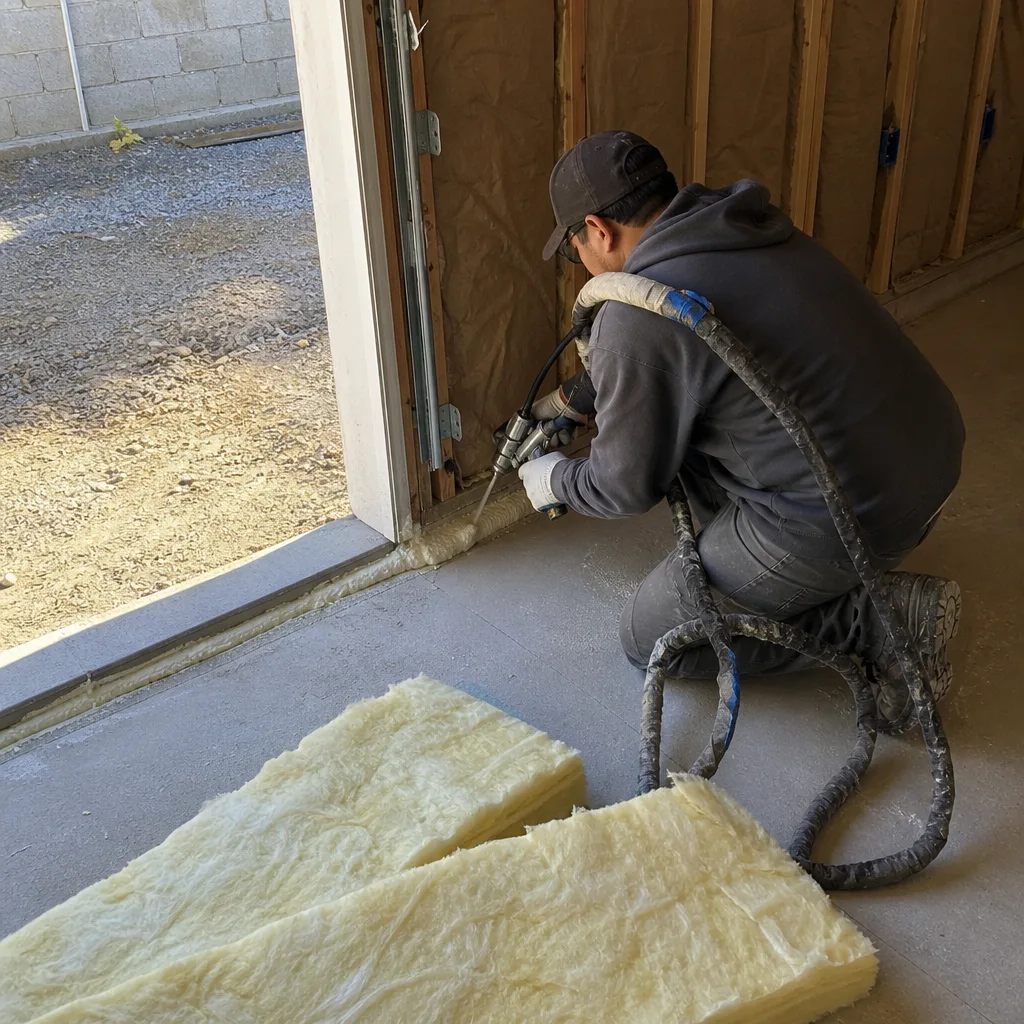
Riverside homeowners increasingly choose prefab and modular systems for speed and cost predictability. Ellery specifies and coordinates Plant Prefab, Tuff Shed, and other systems within our single-contract design-build model. These units have maintenance profiles that differ from site-built construction.
Key differences:
- Transport-seal inspection: Modular units arrive with seals at module-to-module joints that may degrade faster than site-built flashing. Inspect annually with a hose test, not just visual check.
- Integrated MEP access: Prefab MEP runs are often in chase walls with limited access panels. Verify panel locations at handoff and photograph before any interior finish obscures them.
- Foundation interface: Crane-set modules have leveling shims that may settle differently than a monolithic slab. Check for differential settlement at exterior corners annually.
- Manufacturer-specific warranties: Prefab structural warranties often require factory-authorized service for certain components. Maintain the contact and protocol documentation in your record folder.
If you are considering a prefab ADU, our Ellery ADU Studio Riverside home page outlines how we integrate these systems into a single contract with one written price.
Common Mistakes to Avoid
- Following a coastal maintenance schedule. San Diego’s mildew-focused spring cleaning is irrelevant in Riverside’s dry climate. Our soil expansion, Santa Ana winds, and freeze risk require a distinct calendar.
- Waiting for tenant complaints to inspect. A tenant who reports “the AC doesn’t work” in August is already documenting habitability issues. Inspect in May, before the system is under load.
- Using interior caulk on exterior joints. Riverside’s UV exposure and 50°F+ temperature swings destroy acrylic latex caulk in exterior applications within 12 months. Use the right product or pay twice.
- Ignoring elevation-based freeze risk. An ADU in Alessandro Heights faces different winter requirements than one in the downtown grid. Know your microclimate, not just your zip code.
- Failing to document. A verbal report from a technician, a text summary, a feeling that “it looked fine” - none of these support a warranty claim or insurance dispute. Photos with dates, or it did not happen.
- Over-tightening HVAC filters. A higher MERV rating is not better. Restricted airflow from an overspecified filter causes coil icing in spring and compressor damage in summer. Use the manufacturer’s specification, which we include in every Ellery handoff document.
- Neglecting the ADU during main-house projects. Owners often maintain the primary residence meticulously while treating the ADU as a background structure. In Riverside’s climate, the smaller thermal mass of an ADU makes it more vulnerable, not less.
When to Call a Professional
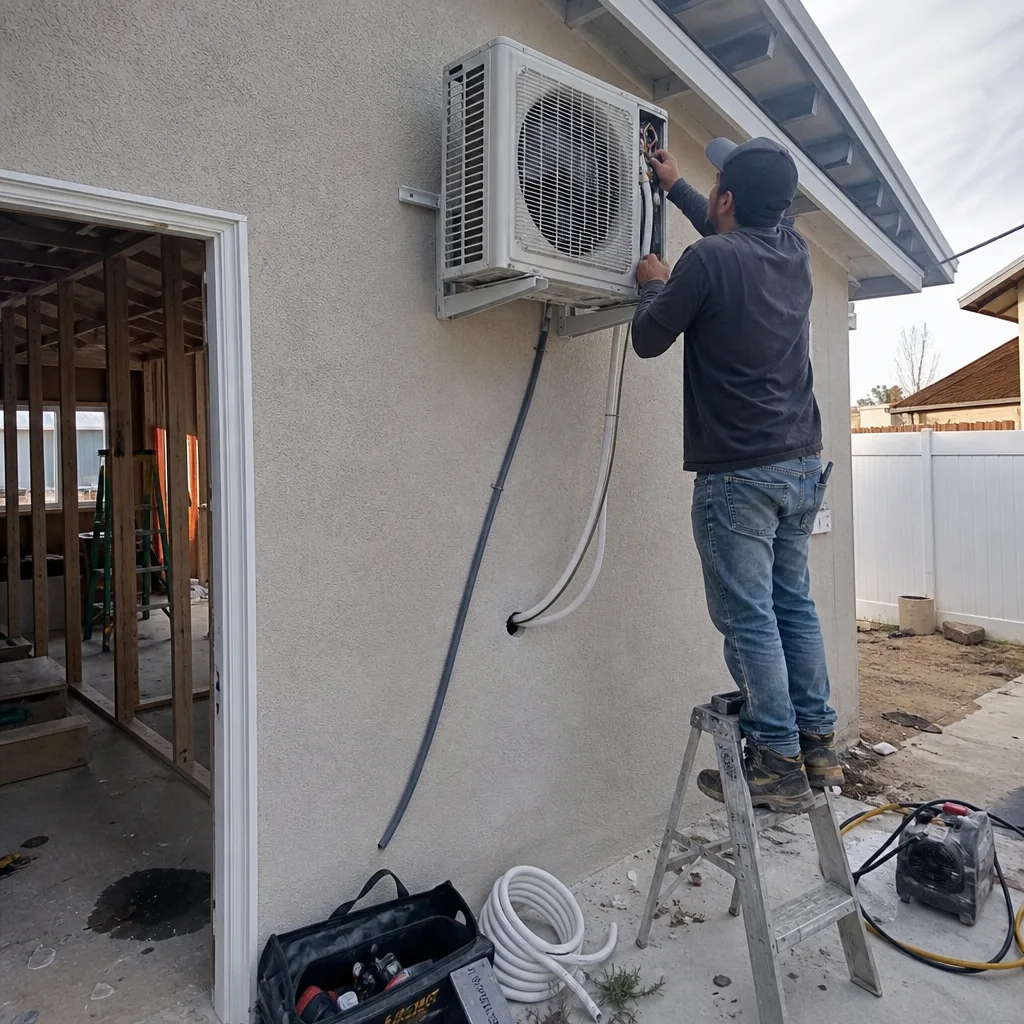
Some maintenance crosses into repair or structural assessment. Call a licensed professional - not a handyman - when you find: horizontal foundation cracks wider than 1/8 inch; refrigerant pressures outside manufacturer specification by more than 10%; roof decking that feels spongy or shows daylight from below; electrical panels with corrosion, buzzing, or burning odor; or any gas appliance with soot, yellow flame, or combustion odor.
For ADU-specific concerns - permit status verification, code compliance questions, or assessment of whether a maintenance issue stems from original construction - Ellery ADU Studio Riverside offers free estimates in Riverside. Call (951) 418-2910 to schedule. We also provide a Free Second Opinion on any written estimate already in hand, per Haven Standard Clause 1: a written price before any work starts, always.
Frequently Asked Questions
Annual professional maintenance for a typical Riverside ADU runs $400-$800, covering HVAC service, roof inspection, and plumbing winterization in elevated zones. DIY seasonal inspections reduce this to $100-$200 in materials. Call (951) 418-2910 for an exact quote on your specific ADU - estimates are free, and every project is quoted with a written price before any work begins under Haven Standard Clause 1.
No. Under Haven Standard Clause 5 (No Surprises), the scope is locked at signing. No door-side upsells, no scope creep. The written price you receive before work starts is the price you pay. This applies to our maintenance assessments as well as our design-build projects.
Routine maintenance - filter changes, caulking, painting, cleaning - does not require permits in Riverside. Structural repairs, electrical panel work, gas line modifications, or roof replacement do. If your maintenance reveals a need for permitted work, we can verify your original permit status and specify any required updates. Our ADU Design & Permitting in Riverside service handles this documentation.
A thorough owner-conducted inspection takes 2-3 hours per season. Professional HVAC service adds 1-2 hours. We recommend scheduling the full professional package in spring (HVAC, plumbing, exterior) and conducting owner inspections in fall and winter. This balances cost with coverage.
HVAC failure during a heat wave, followed by tenant habitability claims. Riverside’s 100°F+ days are not exceptional weather; they are normal summer conditions. A system that is marginally maintained will fail when it is needed most, and California habitability law does not grant leniency for “unexpected” breakdowns during predictable seasonal stress.
We assess and maintain ADUs from any builder, with the same documentation standards we apply to our own projects. Our 900+ ADUs designed, permitted, and built since 2015 have given us specific experience with Riverside’s climate failures across multiple construction types. Call (951) 418-2910 to schedule a maintenance assessment or Free Second Opinion on any written estimate.
The Bottom Line
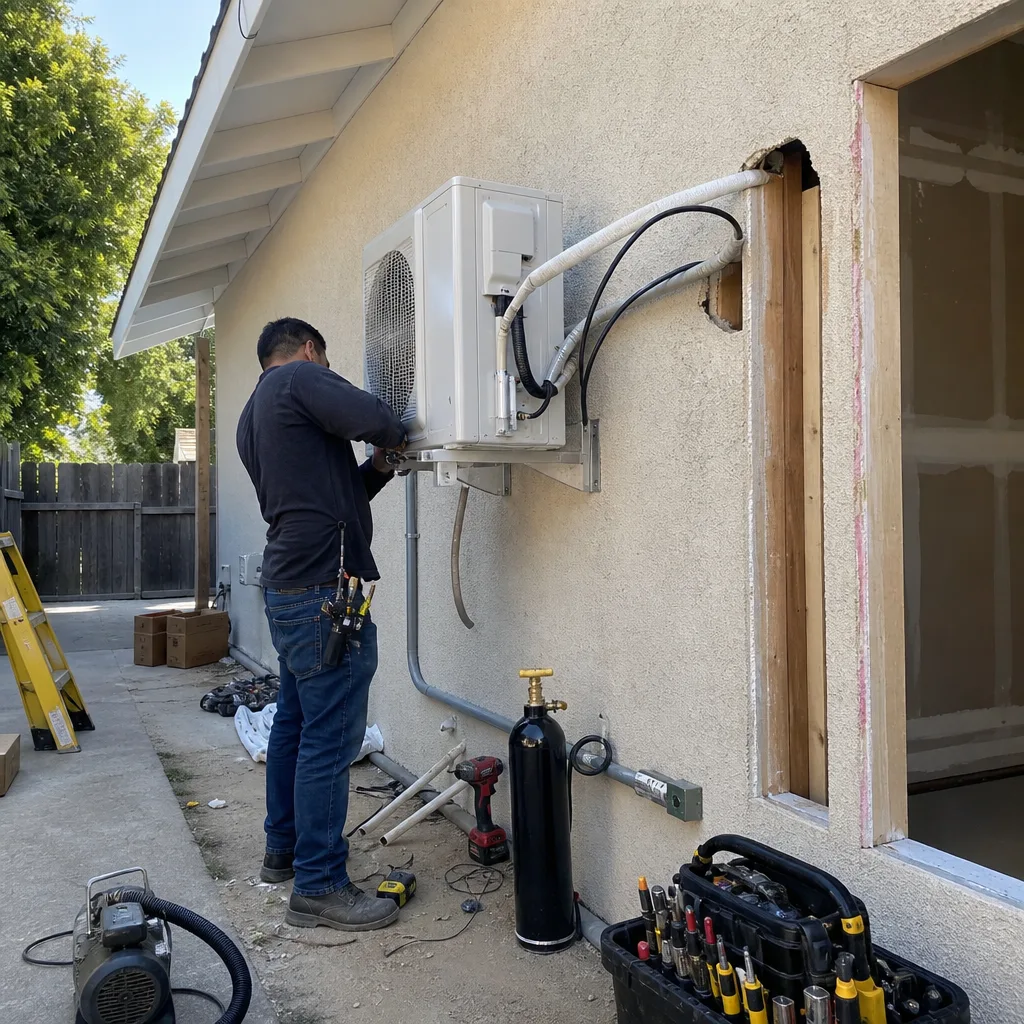
Riverside’s climate is a maintenance environment, not a mild backdrop. Triple-digit summers, Santa Ana winds, freeze risk in elevated neighborhoods, and humidity cycling after winter rains each produce specific, predictable failures in ADU construction. Address them on a seasonal calendar: HVAC in spring, stucco and seals after summer, wind prep in fall, freeze protection in winter. Document every action with dated photos and written notes. The cost of prevention is always lower than the cost of a habitability dispute, a denied warranty claim, or emergency repair at premium rates. Your ADU is a long-term asset. Maintain it like one.
Written by Nadia Ellery, Owner at Ellery ADU Studio Riverside, serving Riverside since 2015.