
Last updated September 25, 2026
ADU Design & Permitting Maintenance Checklist for Riverside Homeowners
Most ADU checklists are written for contractors, not homeowners. They track what the builder needs to buy and when, not what you need to verify, retain, and re-examine at each milestone. Here’s the gap that costs Riverside homeowners real money: a Certificate of Occupancy is not the end of the paper trail. We’ve seen clients in the Wood Streets and Mission Grove neighborhoods discover, at resale, that their title never reflected the ADU as a legal dwelling unit. The buyer’s title insurance flagged it, the lender paused, and the seller ate a $15,000 price reduction or a rushed permit history pull. This guide is organized around the documents you should hold in your hands at each stage, not tasks to delegate and forget.
Quick Answer
An ADU Design & Permitting maintenance checklist for Riverside homeowners covers four document stages: pre-application property verification (grant deed, FEMA flood zone, utility easements, zoning confirmation), plan-check submission with Riverside Building & Safety (including Title 24 energy compliance format), inspection-stage photo documentation you file yourself at framing, rough MEP, and final, and post-occupancy records including meter separation proof and title update verification. Annual maintenance then tracks Riverside-specific climate items: stucco inspection before summer, HVAC filter changes during high-PM2.5 months, and roof checks after Santa Ana wind events.
Table of Contents
- Pre-Application Document Checklist: What to Gather Before You Hire Anyone
- Plan-Check Submission: Riverside Building & Safety Requirements
- Inspection-Stage Checklist: What Homeowners Must Photograph and File
- Post-Occupancy Document Set: Before the First Tenant Moves In
- Annual Maintenance Checklist for Riverside’s Climate
- Common Mistakes to Avoid
- When to Call a Professional
- Frequently Asked Questions
Pre-Application Document Checklist: What to Gather Before You Hire Anyone
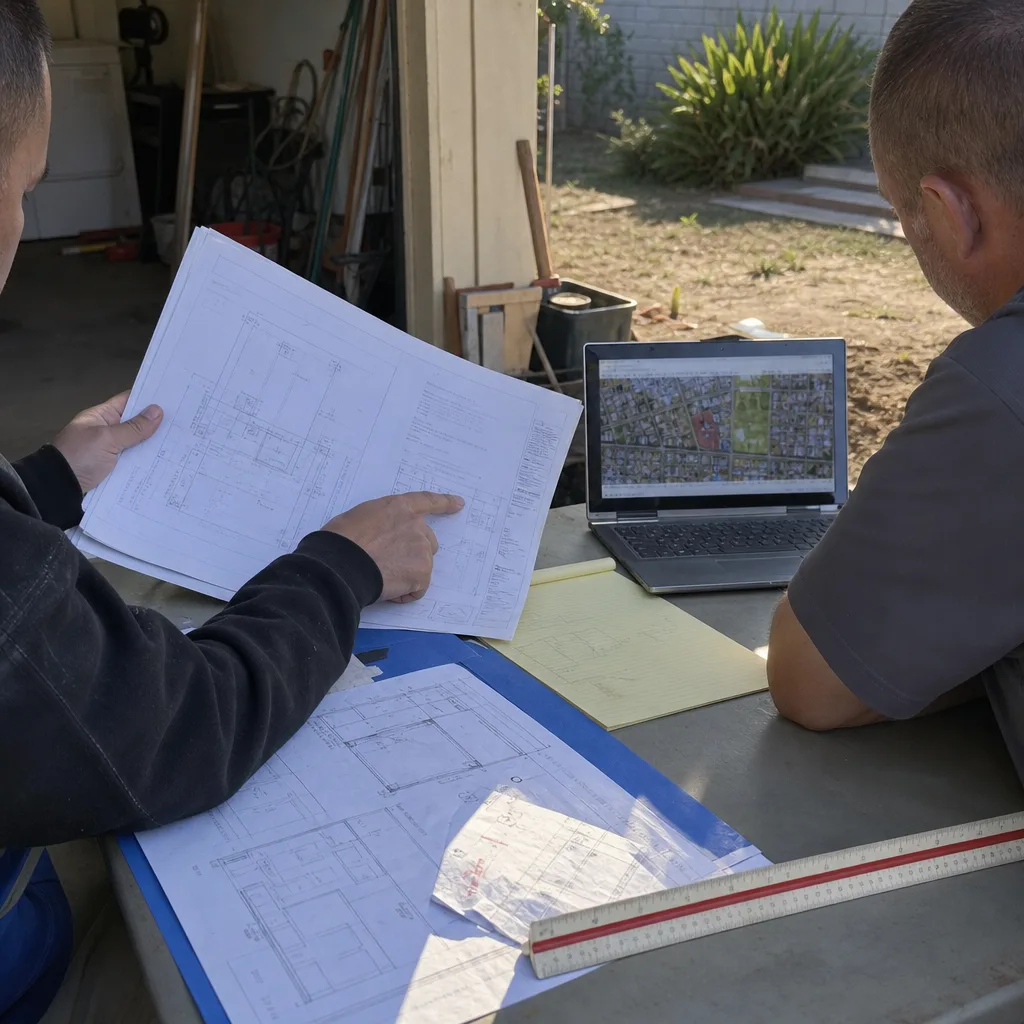
Every ADU project in Riverside starts with property verification, not design. The designers and builders you interview will ask for these documents. Having them ready separates homeowners who control the timeline from those who wait three weeks for a records request.
Here is the document set we request at every ADU Design & Permitting in Riverside consultation, with notes on where to obtain each and why it matters.
Current Grant Deed
Request a certified copy from the Riverside County Recorder. Do not rely on the deed from your home purchase; it may lack the most recent boundary adjustments or easement grants. The grant deed establishes your legal lot area, which determines maximum ADU size under Riverside Municipal Code Chapter 19.300. For standard lots, the maximum detached ADU is 1,200 square feet, but corner lots and through-lots have different calculations. We’ve seen homeowners in the Alessandro Heights area assume a 1,200-square-foot limit when their corner lot actually permitted 1,400 square feet under the through-lot provision.
FEMA Flood Zone Confirmation
Riverside sits at the edge of multiple flood plains, with significant areas near the Santa Ana River and Box Springs Creek mapped as Zone AE or Zone X (shaded). FEMA maps updated in 2023 shifted some Arlington South properties into higher-risk categories. A flood zone determination affects foundation requirements, elevation certificates, and insurance obligations. Obtain your FEMA Flood Insurance Rate Map panel number through Ellery ADU Studio Riverside home or directly at msc.fema.gov. If your property is in Zone AE, your ADU foundation must meet specific elevation and venting requirements that add $8,000-$15,000 to site prep costs.
Existing Utility Easement Map
Contact Riverside Public Utilities for the recorded easement map. This is not the same as your plot plan. Easements determine where you cannot build, and many Riverside lots have unrecorded or informally maintained utility corridors that only appear in the city’s engineering files. In the Canyon Crest area, we’ve encountered Southern California Gas easements that reduced buildable area by 20 percent. Know this before you pay for preliminary drawings.
Riverside Zoning Confirmation Letter
Submit a Zoning Information Request to Riverside Planning Division. The letter confirms your zone district, any overlay districts (historic, hillside, airport compatibility), and specific development standards. This is not optional. The online zoning lookup tool is frequently outdated; the written letter is the only document a planner will accept in a pre-application meeting. Turnaround is typically 10 business days.
Additional Pre-Application Items
- Recent survey or plot plan (within 10 years) showing all existing structures and setbacks
- Photographs of all four property lines, including neighboring structures
- Soils report if your lot is in the hills east of Iowa Avenue or north of Central Avenue
- HOA CC&Rs if applicable; many Riverside master-planned communities restrict ADU size or rental terms
We provide this same checklist to every prospective client during our Free Second Opinion review. Under Haven Standard Clause 1, we quote a written price only after verifying these documents ourselves, not before.
Plan-Check Submission: Riverside Building & Safety Requirements
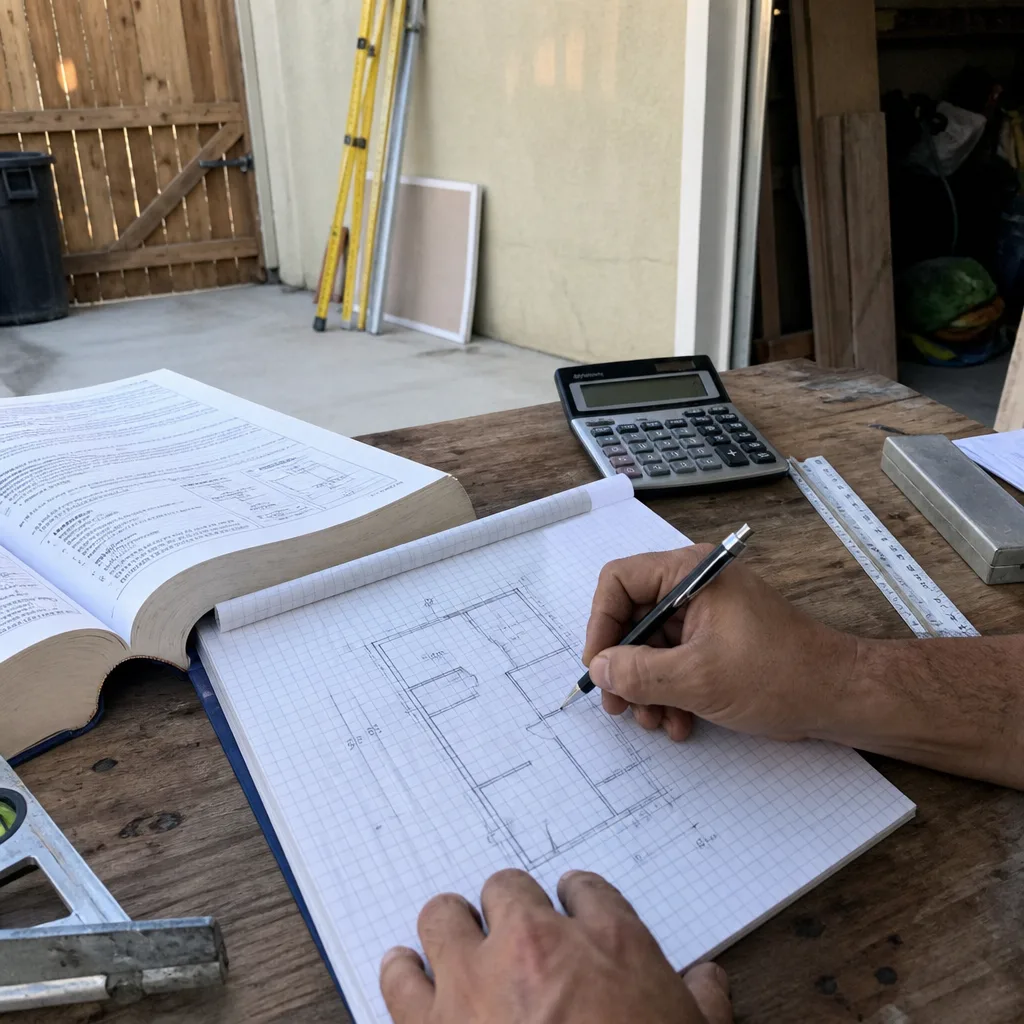
Riverside Building & Safety processes ADU plan checks through the Residential Plan Check division. The submission requirements changed in 2024 with the city’s adoption of the 2022 California Building Code and updated Title 24 energy standards. Here is what your permit set must include, formatted correctly the first time.
Required Permit Set Documents
- Cover sheet and index with project address, APN, zoning confirmation letter reference number, and designer/builder license information
- Site plan at 1-inch equals 10 feet, showing existing and proposed structures, setbacks, easements, and utility connections
- Floor plans for all levels with room labels, dimensions, and square footage calculations
- Elevations on all four sides, showing materials, heights, and relationship to grade
- Building sections showing foundation type, wall assembly, and roof structure
- Structural calculations sealed by a California-licensed engineer; required for all detached ADUs and garage conversions with modified openings
- Title 24 energy compliance documentation in the format Riverside currently accepts (see below)
- Green Building Standards Checklist (CALGreen Tier 1 for ADUs over 750 square feet)
- Water conservation compliance documentation for fixtures
- Fire sprinkler worksheet if the primary residence is sprinklered
Title 24 Energy Compliance: The Format That Matters
Riverside Building & Safety currently accepts Title 24 compliance documentation in two formats: the CF-1R form generated by approved compliance software (EnergyPro, CBECC-Res, or Wrightsoft), or the HERS verification package for performance-based compliance. The prescriptive package, once common, is no longer accepted for ADUs over 500 square feet as of January 2024.
Your permit set must include the complete CF-1R with all supporting worksheets, not just the summary page. We’ve reviewed competitor permit sets where only the summary was submitted, resulting in a two-week correction notice. The complete package includes:
- CF-1R: Mandatory measures and energy design rating
- CF-2R: Installation certificate (completed post-construction)
- CF-3R: HERS verification documentation for measures requiring field verification
- CF-4R: Project registration and rater information
For Garage Conversion ADU in Riverside projects, the existing envelope assumptions in your Title 24 model must match the verified existing conditions. We photograph and measure wall thickness, insulation type, and window U-factors during our initial site visit to avoid modeling errors that trigger plan-check corrections.
Plan-Check Timeline and Fees
Riverside’s standard plan-check timeline for ADUs is 20 business days for a complete submittal. Incomplete submittals receive a correction notice and restart the clock. Plan-check fees for ADUs run approximately $1,800-$3,200 depending on square footage and valuation, plus separate fire department review fees of $350-$600. We itemize these in every written quote, per Haven Standard Clause 1.
Inspection-Stage Checklist: What Homeowners Must Photograph and File
Your contractor schedules inspections. You verify them. The photographs you take at each stage create an independent record that protects you if workmanship disputes arise, if the contractor’s documentation is lost, or if you sell the property and the buyer’s inspector asks questions.
Framing Inspection: What to Document
Schedule your site visit for the day before or morning of the framing inspection. Photograph:
- Every wall cavity showing insulation type and installation quality, before drywall covers it
- Header sizes above all windows and doors, with a tape measure visible for scale
- Fire-blocking at all penetrations between floors and at ceiling lines
- Hold-down straps and anchor bolt patterns at shear walls
- Roof framing connections, especially if the ADU uses a prefab roof system from Abodu or Cover
In Riverside’s seismic design category D, shear wall detailing is inspected closely. We’ve seen framing inspections fail because a single hold-down strap was installed with the wrong nail pattern. Your photo proves it was correct before the inspector arrived, or catches the error before drywall hides it.
Rough MEP Inspection: What to Document
MEP stands for mechanical, electrical, and plumbing. At rough inspection, all systems are visible before wall closure. Photograph:
- Electrical panel location and service feeder routing, with wire gauges visible at junction boxes
- Plumbing drain lines with slope direction and cleanout locations marked
- HVAC ductwork layout and return air path, critical in small ADU spaces where duct conflicts are common
- Gas line pressure test tag, dated and signed by the installer
- Water heater location and seismic strapping, required by California law
For New Detached ADU in Riverside projects, the electrical service upgrade and meter separation are often the longest-lead items. Your photo of the temporary service and planned permanent meter location helps resolve disputes with Riverside Public Utilities if they claim the site was not ready for their work.
Final Inspection: What to Document
Final inspection is your last chance to verify before the Certificate of Occupancy issues. Photograph:
- All window and door operation, with weatherstripping visible
- GFCI and AFCI test button operation at each outlet
- Smoke and CO detector locations and interconnect wiring
- Final grade and drainage patterns around the ADU foundation
- Address plaque and unit number, required for emergency response
- All utility meters with final readings and account numbers
File these photographs with your permit set, your contract, and your warranty documents in a single physical or cloud folder. Label each with date, inspection type, and inspector name if known.
Post-Occupancy Document Set: Before the First Tenant Moves In
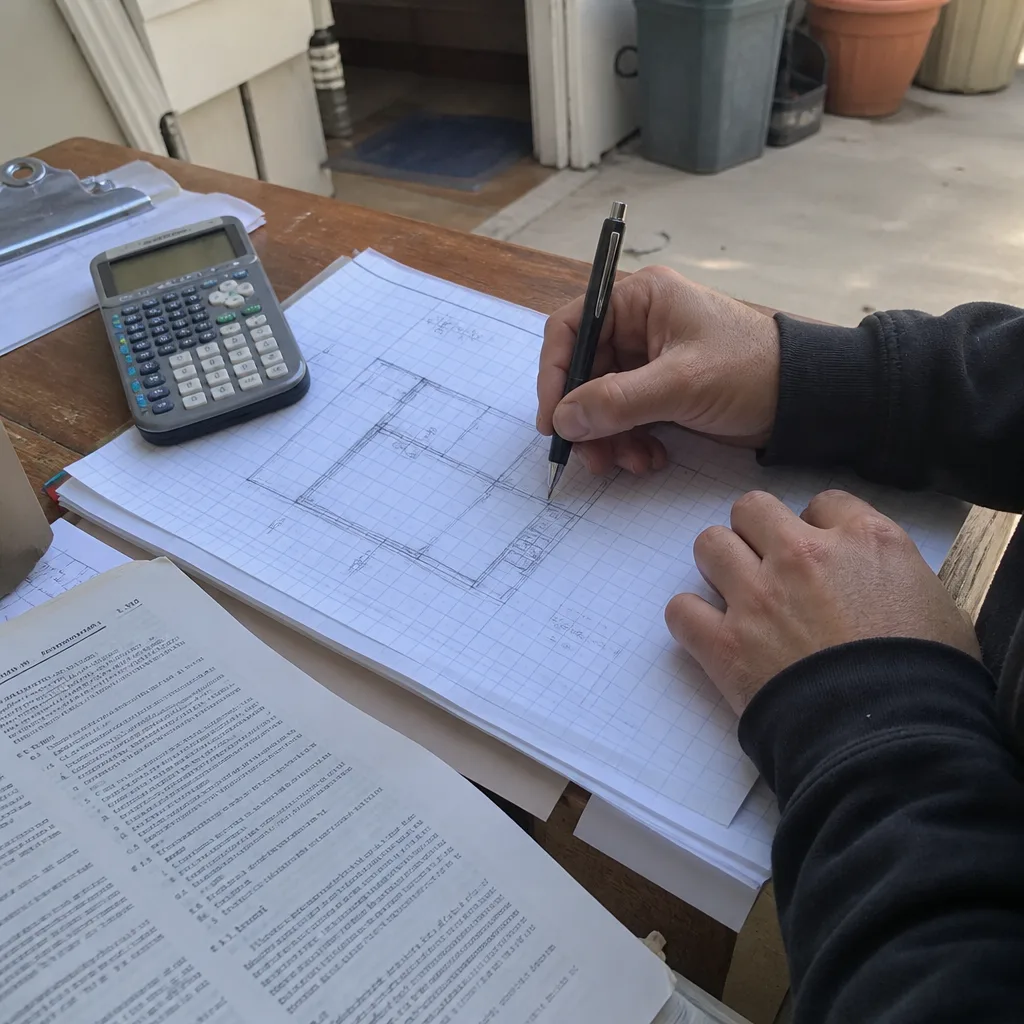
The Certificate of Occupancy is not the finish line. Three document actions remain, and skipping any creates exposure you may not discover until resale.
Verify Title Update
Contact Riverside County Assessor 30-45 days after final inspection to confirm the ADU appears as a legal dwelling unit on your property record. The Assessor’s office updates records based on building permit completion, but the process is not automatic and errors are common. Request a copy of your updated property characteristics record. If the ADU does not appear, file a correction request with the Assessor and a copy of your Certificate of Occupancy.
Title insurance at resale covers what the title search shows. If the ADU is not recorded as a legal unit, the buyer’s lender may require a permit history verification that delays closing by weeks. In the worst case, the buyer demands a price reduction reflecting the risk of unpermitted construction. This is not theoretical; see our ADU Warning Signs: A Riverside Homeowner’s Reference Guide for similar cases. We’ve assisted three Riverside homeowners in the past two years with post-sale title corrections that cost $4,000-$8,000 in legal and filing fees.
Meter Separation Record
If your ADU has separate electric, gas, or water meters, obtain the official meter separation record from Riverside Public Utilities or your mutual water company (Rancho California Water District for much of Riverside). This document proves independent utility billing capability, required for most rental arrangements and for certain financing programs. File it with your lease agreements.
Habitability Documentation
Before first occupancy, prepare:
- Certificate of Occupancy copy
- Final inspection sign-off sheet from Riverside Building & Safety
- Written warranty from your builder, including the 365-Day Done Right Promise if you built with Ellery
- Manufacturer warranties for all appliances, HVAC equipment, and roofing materials
- As-built drawings showing any field changes from the permitted plans
- Operation and maintenance manuals for all building systems
Provide copies to your tenant and retain originals. This documentation package is what a buyer’s inspector will request when you sell, and what your insurance carrier will demand if you file a claim.
Annual Maintenance Checklist for Riverside’s Climate
Riverside’s climate is harder on buildings than many homeowners recognize. Summer temperatures above 100 degrees, Santa Ana wind events exceeding 60 mph, and PM2.5 spikes from regional wildfires create specific maintenance requirements for ADUs.
Stucco Crack Inspection: Timing and Method
Inspect all stucco surfaces in late March, before summer thermal expansion accelerates crack propagation. Riverside’s temperature swing from 45-degree winter lows to 105-degree summer highs creates more stucco stress than coastal climates. Hairline cracks under 1/16 inch are normal; wider cracks, or cracks with stair-step patterns at window corners, indicate structural movement requiring evaluation.
For James Hardie siding installations, the inspection interval extends to every 18 months, but check caulk joints at all penetrations annually. Hardie’s ColorPlus finish holds well in Riverside UV, but the sealant at windows and doors degrades faster than the siding itself.
HVAC Filter Schedule for High-PM2.5 Months
Riverside’s PM2.5 peaks typically occur August through November, driven by regional wildfire smoke and autumn atmospheric inversions. Replace HVAC filters at the start of August with MERV 13-rated media, then inspect monthly. In heavy smoke events, filters load in two weeks rather than three months. For mini-split systems common in smaller ADUs, clean the indoor unit filters every 30 days during peak season; the fine mesh loads faster than central system media.
Roof Inspection After Santa Ana Wind Events
Santa Ana winds peak October through January in Riverside. Inspect your ADU roof within 48 hours of any event with sustained winds above 40 mph. Check:
- Tile or shingle displacement at ridges and hips, where wind uplift is maximum
- Flashing separation at walls and penetrations
- Gutter and downspout attachment, especially on detached ADUs where wind exposure is higher
- Debris accumulation in valleys that blocks drainage
For flat or low-slope roofs common on modern detached ADUs, check membrane seams and penetration seals. Bubbles or soft spots indicate moisture intrusion that thermal cycling will expand.
Foundation and Drainage Check
After winter rains, verify grade slopes away from the ADU foundation at minimum 2 percent for 10 feet. Riverside’s clay soils expand when wet and shrink when dry, creating foundation movement that proper drainage mitigates. In the Orangecrest and Victoria areas, where expansive soils are mapped, this check is critical.
Annual Document Review
Each January, review your property file for:
- Permit expiration dates if any conditional approvals were issued
- Warranty expiration dates and any required maintenance to keep warranties valid
- Insurance coverage limits, confirming the ADU is included in your dwelling coverage or scheduled separately
- Tenant lease compliance with any HOA restrictions or city rental registration requirements
Common Mistakes to Avoid
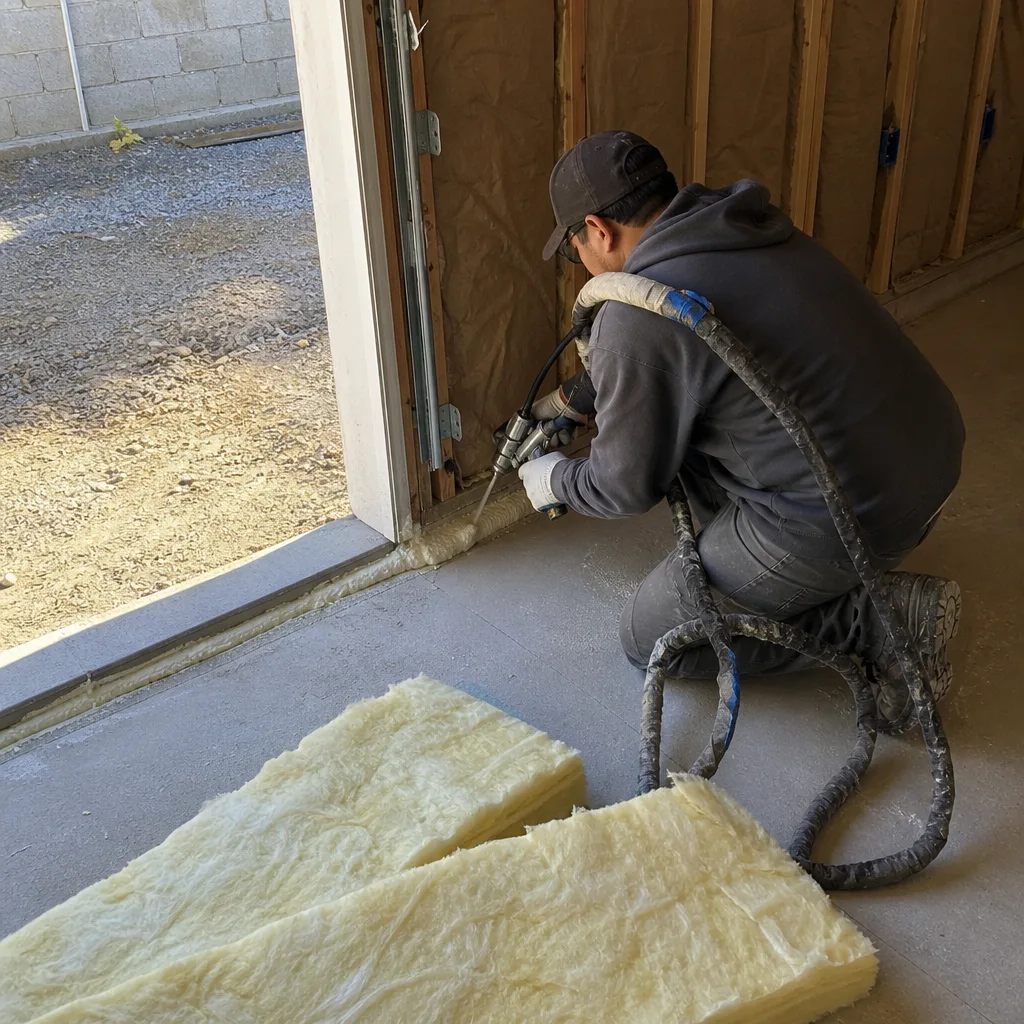
- Assuming the contractor’s photos are sufficient. Builder documentation protects the builder. Your independent photo record protects you. We’ve resolved three disputes in the past year where the homeowner’s photographs proved workmanship met code when the contractor’s were inconclusive.
- Submitting Title 24 prescriptive compliance for ADUs over 500 square feet. Riverside no longer accepts this format. The correction notice adds 15-20 days to your timeline.
- Neglecting the FEMA flood zone check. A Riverside homeowner near the Santa Ana River discovered their property was Zone AE only after foundation work began. The required elevation change added $12,000 and six weeks.
- Signing a contract before verifying the written price covers permit fees. Some Riverside contractors quote construction only, excluding plan-check and inspection fees that add $3,000-$6,000. Haven Standard Clause 1 requires all costs in the written price; verify this with any provider.
- Failing to confirm meter separation with the utility. A landlord in the Magnolia Center area rented an ADU for 18 months before discovering water was still billed through the main house meter, complicating utility allocation and tenant disputes.
- Skipping the title update verification. The Assessor’s office makes errors. The homeowner who discovers it at resale pays to fix it, often under time pressure that increases costs.
- Using generic maintenance schedules from national websites. Riverside’s thermal and particulate environment is specific. A filter schedule designed for Portland or Atlanta will leave your ADU underprotected during smoke season.
When to Call a Professional
Call a design-build professional when your pre-application document gathering reveals complications: FEMA flood zone uncertainty, unmapped easements, or zoning overlays. Call when your plan-check correction notice arrives and the required changes affect structural or energy compliance. Call when inspection failures repeat, suggesting systemic issues with the permit set or field work. Call before you sign any contract that does not include a written, itemized price covering all permit fees, or that lacks a written warranty with specific remedy language.
Ellery ADU Studio Riverside offers free estimates in Riverside. We also provide a Free Second Opinion on any written estimate already in your hands. Call (951) 418-2910 to schedule. A live person answers 24/7.
Frequently Asked Questions
Garage conversion ADUs in Riverside typically run $85,000-$140,000 all-in, drawings through final inspection. New detached ADUs typically run $180,000-$320,000, depending on size, foundation type, and utility separation requirements. Every project Ellery quotes includes a written price before any work starts, per Haven Standard Clause 1. Call (951) 418-2910 for an exact quote on your property; estimates are free.
Plan check takes 20 business days for a complete submittal. Corrections add another 10-15 business days. Total permitting timeline from pre-application to permit issuance is typically 8-14 weeks, depending on complexity and completeness of the initial submittal. For details, see our guide on ADU Permits, Codes & Inspections in CA: What You Need to Know. Riverside’s ADU ordinance mandates ministerial approval without discretionary review, which prevents the lengthy hearings common in some California cities.
Under Haven Standard Clause 5 (No Surprises), the scope is locked at signing. No door-side upsells, no scope creep. The only price changes permitted are owner-requested change orders, signed in writing before the work is performed. This is why we verify your documents before quoting, not after.
Ellery pulls all permits as part of our single-contract design-build service. You receive copies of all applications, approvals, and inspection sign-offs for your files. This eliminates the common gap where a homeowner pulls permits personally but lacks the technical knowledge to respond to corrections.
The contractor corrects the deficiency and reschedules. You pay nothing additional for re-inspections caused by our work. We document the correction with photographs and submit them to the inspector before rescheduling, reducing repeat failures. Our 365-Day Done Right Promise covers any defect in workmanship that appears after occupancy.
Yes. Riverside Building & Safety permits factory-built ADUs under the California Building Code’s modular construction provisions. Ellery specifies and coordinates prefab systems from brands including Abodu, Cover, and Dvele within the same single contract as site-built projects. The permitting path differs: factory inspections substitute for some field inspections, but foundation, utility connection, and final inspection still occur on-site. We handle both paths.
The Bottom Line
An ADU is a six-figure asset that outlives your contractor’s warranty. The homeowners who protect that asset treat documentation as an ongoing obligation, not a one-time task. Gather your property records before you hire anyone. Photograph every inspection stage yourself. Verify your title reflects the legal unit before you rent or sell. Maintain to Riverside’s specific climate, not a generic schedule. And hold every provider to written promises, not verbal assurances. The checklist above is the minimum. Browse our more guides & resources for deeper coverage. We’ve designed, permitted, and built over 900 ADUs since 2015, and the projects that finish smoothly share one trait: the homeowner knew what to verify at each milestone.
Written by Nadia Ellery, Owner at Ellery ADU Studio Riverside, serving Riverside since 2015.