
Last updated September 25, 2026
DIY vs Professional ADU: The Riverside Homeowner’s Decision Guide
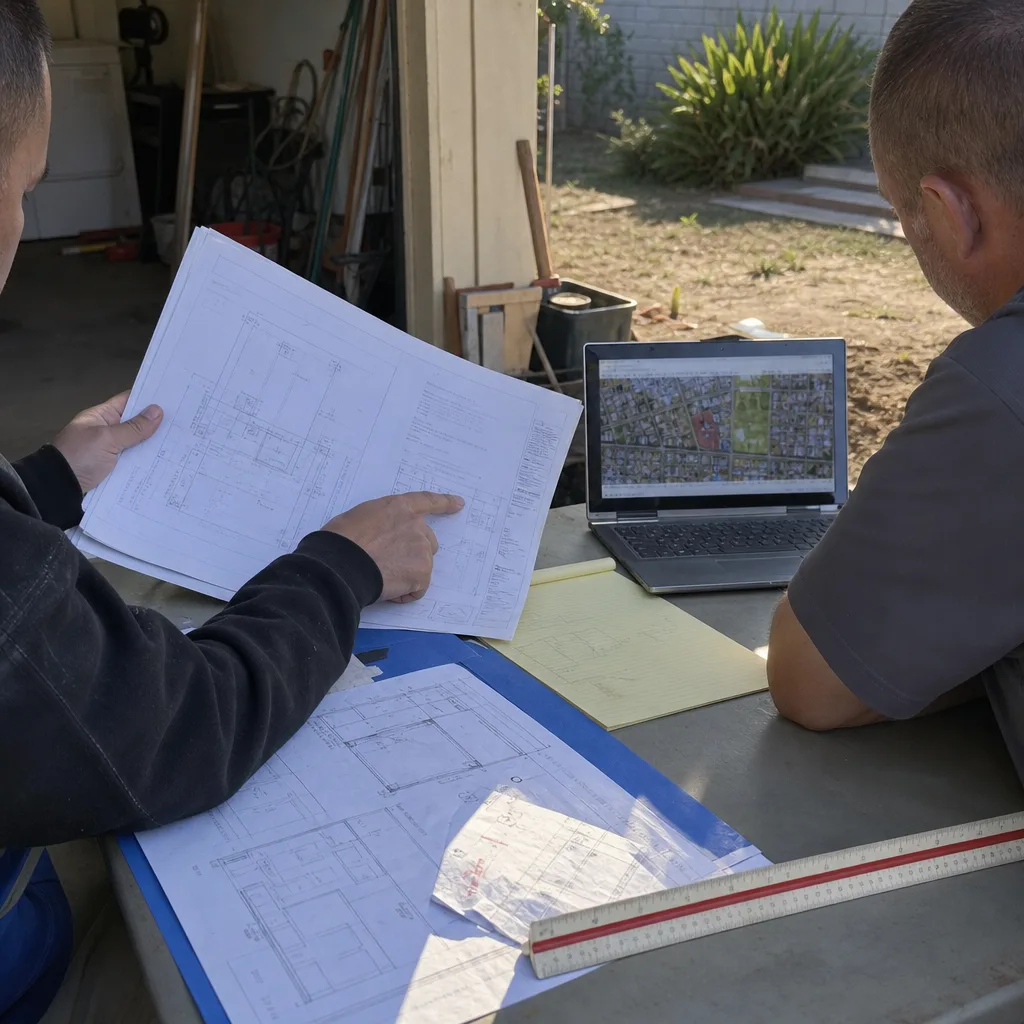
California’s owner-builder permit option sounds like a cost-saving path, but an ADU built under an owner-builder permit in Riverside cannot be sold within five years without a statutory disclosure that flags the property as owner-built, a fact that affects both buyer financing and title insurance. Most homeowners discover this only after they’ve already broken ground. In this guide and our more guides & resources, we’ll walk through what California law actually permits, what it costs to go it alone versus hiring a design-build studio, and how to protect yourself if you choose either path. Everything here applies specifically to Riverside’s permit environment, labor market, and resale conditions.
Quick Answer
True DIY ADU construction in Riverside is legally restricted to owner-builder status under Business and Professions Code Section 7044, which requires six months of owner occupancy, carries a five-year resale disclosure obligation, and still prohibits unlicensed homeowners from performing electrical, plumbing, or structural work. Most Riverside homeowners find that a professional design-build contract costs 8-15% more than owner-builder all-in costs while eliminating permit risk, inspection failure liability, and the hidden expense of correcting subcontractor mistakes without a contractor’s warranty network.
Table of Contents
- What California Owner-Builder Law Actually Allows
- What You Can Legally Self-Perform, Even With a Contractor’s Permit
- Real Cost Comparison: Owner-Builder vs. Design-Build in Riverside
- Risk Allocation: Inspection Failures, Defects, and Insurance Gaps
- The Middle Path: Managing Your Own Finish Work Inside a Professional Contract
- Prefab and Modular: A Third Option Worth Understanding
- Riverside-Specific Permit and Climate Considerations
- Common Mistakes to Avoid
- When to Call a Professional
- Frequently Asked Questions
- The Bottom Line
What California Owner-Builder Law Actually Allows
Business and Professions Code Section 7044 lets a homeowner act as their own general contractor on a single-family residence, including an ADU, provided they live in the property. This is not a loophole. It is a narrow exception with strict boundaries that most online “DIY ADU” guides gloss over.
Here is what Section 7044 requires in Riverside and across California:
- Six-month owner occupancy before permit issuance. You must have lived in the primary residence for at least six months before the city issues the owner-builder permit. Investment properties do not qualify.
- The owner-builder must personally perform the work or hire licensed subcontractors. You cannot hand the project to an unlicensed friend or family member and still call it owner-builder. Each trade, electrical, plumbing, HVAC, and structural framing above basic carpentry, requires a CSLB-licensed contractor.
- The five-year resale disclosure. If you sell within five years of final inspection, you must disclose the owner-builder status on the Transfer Disclosure Statement. This triggers additional scrutiny from lenders and title insurers. Some conventional buyers’ mortgage underwriters require a third-party structural inspection before funding, a cost and delay you will negotiate with the buyer or absorb yourself.
- No compensation for your own labor. The law assumes you are saving money by contributing sweat equity, not running a side business. If you build ADUs repeatedly under owner-builder permits, the CSLB can investigate whether you are contracting without a license.
The resale disclosure is the detail that changes the math for Riverside homeowners who bought between 2015 and 2025 and may need to relocate for work or family within the next decade. A five-year clock starts at final inspection, not at permit issuance. If your project takes 14 months from permit to certificate of occupancy, you have 46 months of restricted saleability left.
We have reviewed owner-builder permits pulled in Riverside since 2020. A consistent pattern: homeowners who understood the disclosure rule upfront planned their timeline accordingly. Those who learned of it mid-construction faced stress that had nothing to do with construction quality.
What You Can Legally Self-Perform, Even With a Contractor’s Permit
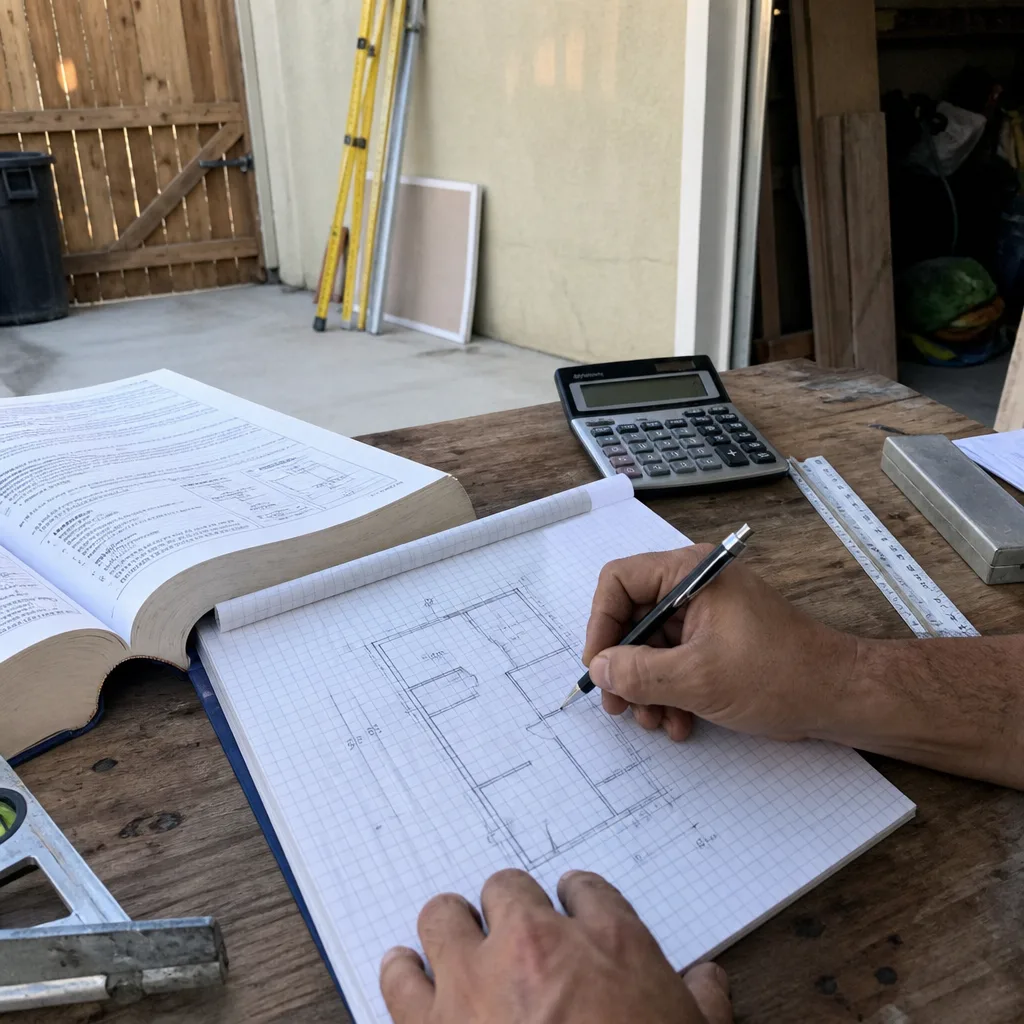
Some homeowners want involvement without the owner-builder burden. This is legally possible and often wise. Under a licensed contractor’s building permit, a homeowner can perform specific tasks without jeopardizing the permit or warranty, provided the contract explicitly permits it.
Tasks generally allowed under a contractor’s permit:
- Interior painting after final mechanical and electrical inspection
- Finish carpentry: baseboards, trim, shelving, closet systems
- Landscaping, hardscaping, and irrigation (non-pressurized)
- Tile setting in non-wet areas, if the contract assigns responsibility
- Fixture and hardware installation after rough inspections pass
Tasks that void the permit if performed by an unlicensed homeowner:
- Electrical panel work, outlet wiring, or low-voltage beyond surface-mount
- Gas line modification or appliance connection
- Plumbing rough-in or pressure testing
- Structural framing, shear wall installation, or foundation work
- Roofing on structures over 120 square feet
The boundary matters for your contract. At Ellery ADU Studio Riverside home, we specify owner-performed work in a written amendment to the base contract, with a clear handoff protocol. The homeowner’s work begins only after named inspections pass, and the scope is limited to named tasks. This protects both parties. Without that documentation, a homeowner who runs their own electrical to “help move things along” can void the contractor’s insurance coverage and trigger a Riverside Building & Safety red tag.
One practical note: Riverside’s inspection scheduling runs through a third-party system with limited slots. If your self-performed work fails inspection, you requeue at the back. A contractor with an established inspector relationship can often get a correction re-inspected faster, not through favoritism, but through familiarity with the correction documentation the inspector expects to see.
Real Cost Comparison: Owner-Builder vs. Design-Build in Riverside
The cost question is where most homeowners start. It should not be where they finish, but the numbers matter. Here is how owner-builder and design-build pricing actually breaks down for a 500-square-foot garage conversion ADU in Riverside, based on 2024 permit data, our project history, and the detailed ADU Cost Breakdown: The Riverside Homeowner’s Reference for 2026.
| Cost Category | Owner-Builder (Self-Managed) | Design-Build Contract (Ellery ADU Studio Riverside) |
|---|---|---|
| Architectural drawings & permit set | $4,500-$8,000 (freelance drafter or online service) | Included in contract |
| City permit fees (Riverside) | $3,200-$5,800 | $3,200-$5,800 (passed through at cost) |
| Structural engineering (if required) | $2,000-$4,500 | Included in contract |
| Licensed subcontractor labor & materials | $75,000-$110,000 (homeowner solicits bids) | $85,000-$125,000 (single written price) |
| Project management time (homeowner) | 200-400 hours at $0 direct cost | $0 (studio-managed) |
| Subcontractor markup avoided | $0 (you pay trade contractors directly) | N/A (studio coordinates trades) |
| Correction costs for failed inspections | $800-$6,000 (unpredictable) | Covered under 365-Day Done Right Promise |
| Owner-builder opportunity cost | Varies (time off work, delayed rental income) | Minimized by schedule commitment |
| Typical all-in range | $85,000-$128,000 | $95,000-$140,000 |
The 8-15% premium for design-build is not pure overhead. It purchases several assets the table does not fully capture: a single point of accountability, a written schedule with liquidated damages, subcontractor relationships that survive market tightness, and the 365-Day Done Right Promise backed in writing before work starts.
In Riverside’s current labor market, the subcontractor relationship advantage is concrete. Framers, electricians, and HVAC technicians with CSLB licenses are booked 6-10 weeks out for homeowners calling cold. A design-build studio with 900+ completed projects maintains standing relationships with tradespeople who prioritize repeat work. We have seen owner-builders lose 8-12 weeks waiting for a licensed electrician to return their call, then accept an unlicensed referral out of desperation, a decision that voids their permit and exposes them to personal liability.
The Haven Standard, Clause 1, requires a written price before any work begins. This means the design-build number is locked. The owner-builder column above is a range because the homeowner cannot lock subcontractor pricing without a general contractor’s volume commitment. We have reviewed owner-builder budgets that assumed $85,000 and landed at $118,000 due to change orders from trades who discovered mid-project that the homeowner’s drawings did not match field conditions.
For a Garage Conversion ADU in Riverside, the foundation condition is a common unknown. Our documented photo record on the first site visit captures slab thickness, crack patterns, and proximity to the water table. An owner-builder working from a Zillow photo and a drafter’s assumptions often discovers at excavation that the slab needs replacement, a $12,000-$18,000 unplanned line item.
Risk Allocation: Inspection Failures, Defects, and Insurance Gaps
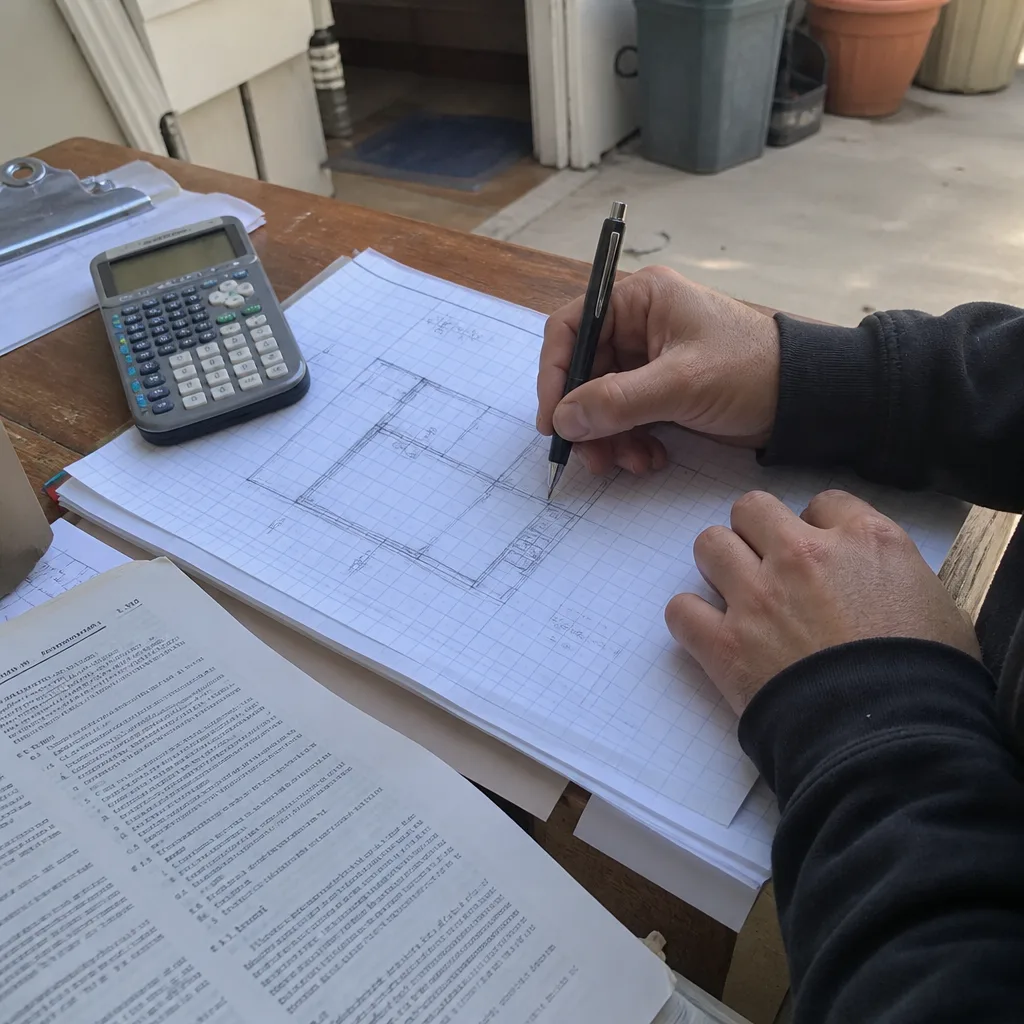
Construction risk does not disappear when you act as your own general contractor. It shifts, and not always to your advantage.
Inspection failures and correction costs. Riverside Building & Safety inspects ADUs at foundation, framing/rough, insulation, and final. Failure at any stage stops the clock. Under a design-build contract, the contractor pays correction costs and re-inspection fees. As an owner-builder, you pay both, and you coordinate the fix.
In 2023, Riverside’s framing inspection failure rate for ADUs was approximately 23%, driven by shear wall nailing patterns, hold-down anchor spacing, and fire-rated assembly details. These are not cosmetic errors. A failed framing inspection means the drywall crew, electrician, and plumber cannot proceed. If you scheduled those trades based on a presumed pass date, you pay for their reschedule or lose them to another job.
Homeowner’s insurance and construction defects. Standard homeowner’s policies exclude damage caused by “work performed by or on behalf of the insured” when that work is construction, not maintenance. If your owner-builder ADU develops a roof leak in year three due to improper flashing, your insurer may deny the claim. If the same defect occurs in a contractor-built unit, the contractor’s general liability and workers’ compensation policies respond, or the homeowner sues the contractor’s bond.
Owner-builder status also complicates future refinancing. Some lenders require evidence of contractor licensure for ADU construction draws on renovation loans. If you built under an owner-builder permit, you may need to provide additional documentation or accept a higher rate.
The 365-Day Done Right Promise exists precisely because defects emerge after move-in, not before. Under Haven Standard Clause 5 (No Surprises), the scope is locked at signing. Under Clause 7 (Documented Record), every visit produces photos the client receives. These are not marketing claims. They are contractual terms that allocate risk to the party best equipped to bear it.
The Middle Path: Managing Your Own Finish Work Inside a Professional Contract
Most Riverside homeowners who call us do not want to swing a hammer full-time. They want control over finishes, a hands-on role they can document on weekends, and confidence that the structure, systems, and permit are handled correctly.
This is achievable. We write it into the contract.
How to structure owner-involved work in a design-build agreement:
- Define the handoff point. Owner work begins only after named inspections pass. For interior painting, this means post-final-mechanical, post-electrical-final, with drywall texture complete and primer applied.
- Specify materials and standards. The contract names the paint line (e.g., Sherwin-Williams Duration, two coats, cut-in at ceilings), not just “owner paints.”
- Assign responsibility for protection. Owner work that damages installed systems is owner cost. Contractor work that fails to protect for owner access is contractor cost. The line is written, not assumed.
- Set a completion deadline. Owner work that delays certificate of occupancy beyond a named date triggers a per-day fee or reversion to contractor completion at owner expense. This protects the schedule without being punitive.
- Document pre-existing condition. Photos of floors, trim, and fixtures before owner work begins establish baseline for any damage claim.
We have used this structure for kitchen backsplash installation, custom closet builds, landscape design, and exterior hardscaping. The homeowner saves 4-8% on the all-in project cost, gains the satisfaction of direct involvement, and retains full permit protection and warranty coverage.
What does not work: owner-performed rough electrical “to save money” inside a contractor permit. The CSLB and Riverside Building & Safety treat this as unlicensed contracting. The permit is red-tagged. The homeowner must hire a licensed electrician to remove and replace the work, then pay for re-inspection. The savings evaporate and the schedule collapses.
Prefab and Modular: A Third Option Worth Understanding
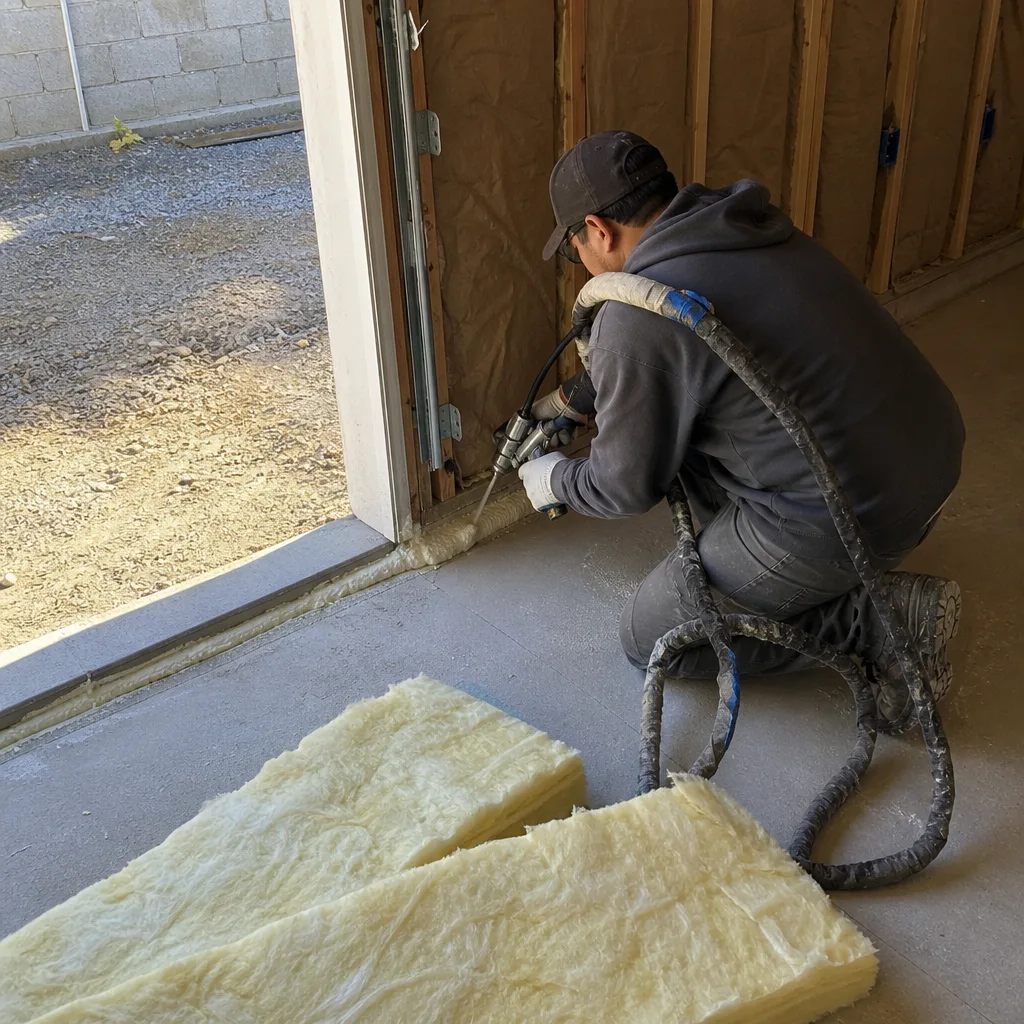
Some Riverside homeowners assume prefab or modular ADUs bypass the DIY-versus-contractor question entirely. They do not. They shift it.
Prefab ADUs from brands like Abodu, Cover, and Mighty Buildings arrive as factory-built modules that require site prep, foundation, utility connection, and final assembly. The manufacturer may offer “turnkey” service, or they may sell the module only and leave site work to a local contractor. In either case, a building permit is required, and in Riverside, that permit must be pulled by a licensed contractor or an owner-builder meeting Section 7044 requirements.
The design-build advantage with prefab is specification coordination. We have integrated Abodu and Cover systems into single-contract projects where the studio manages both the manufacturer’s delivery schedule and the local site work. The homeowner receives one written price, one schedule, and one accountable party. Without that coordination, we have seen homeowners accept a manufacturer’s delivery date, then discover their site contractor is unavailable for foundation work for six weeks. The module sits on a truck or in a yard, accruing storage fees.
Mighty Buildings offers a polymer composite wall system that reduces on-site labor. The savings are real for the module itself. The site work, foundation, utility trenching, and finish connections in Riverside’s clay-heavy soil and summer heat still require local expertise. A studio with prefab brand fluency can specify which savings transfer and which do not.
For a New Detached ADU in Riverside, prefab can compress the construction timeline from 8-10 months to 5-7 months. The permit timeline does not compress. Riverside’s ADU permit review, even under state-mandated 60-day deadlines, often requires correction rounds. A design-build studio with a documented permit set process, our core service since 2015, navigates those corrections without delaying the manufacturer’s production slot.
Riverside-Specific Permit and Climate Considerations
Riverside’s ADU environment differs from Los Angeles, San Diego, and even neighboring San Bernardino County in ways that affect the DIY-versus-professional calculation, including considerations covered in our Seasonal ADU Care for Riverside: Year-Round Homeowner’s Guide.
Permit volume and inspector familiarity. Riverside processes approximately 400-500 ADU permits annually, enough to have dedicated staff but not so many that every inspector sees ADUs daily. This means consistency matters. A contractor who knows which plan checker reviews fire separation details, and which inspector examines garage conversion egress windows, can prepare documentation that passes the first time. An owner-builder learns these preferences through failure and re-submission.
Climate and soil conditions. Riverside’s summer design temperature of 110°F and clay-heavy soil in neighborhoods like Canyon Crest, Wood Streets, and Orangecrest affect foundation design, HVAC sizing, and moisture management. An owner-builder who sizes a mini-split based on online calculators often undersizes for latent heat gain in a structure with minimal thermal mass. We specify equipment based on Manual J load calculations performed by a licensed HVAC designer, a requirement for Title 24 compliance that owner-builders frequently overlook.
Utility connection costs. Riverside Public Utilities and Southern California Gas have distinct ADU service extension requirements. In older neighborhoods near downtown, electrical service panels may need upgrade to 200-amp before an ADU can be served. The utility’s engineering review adds 4-6 weeks. A design-build studio sequences this work before foundation pour. An owner-builder often discovers the panel limitation after framing is complete, requiring a costly and disruptive mid-project upgrade.
Fire separation and setback. Riverside enforces state fire separation standards strictly for garage conversions and attached ADUs. The one-hour fire-rated assembly between primary residence and ADU, including self-closing doors and draft-stopping, is a common first-round correction item. Our permit sets include detailed fire-rated assembly drawings with UL-listed product specifications. Generic online plans rarely do.
For ADU Design & Permitting in Riverside, the permit set is the product. Everything else follows from its accuracy.
Common Mistakes to Avoid
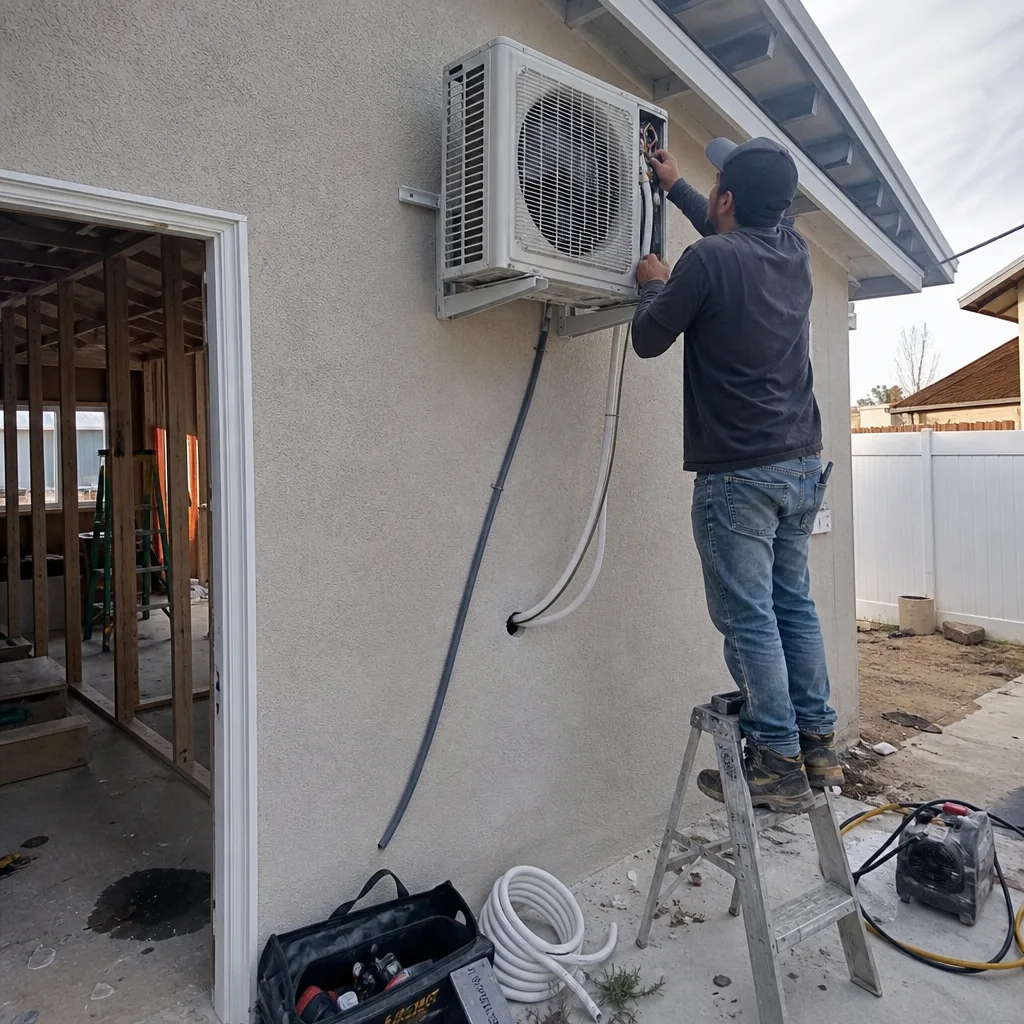
- Assuming “owner-builder” means you can do all the work yourself. It does not. Electrical, plumbing, and structural work still require licensed subcontractors in Riverside, and you are responsible for verifying their licenses and insurance.
- Ignoring the five-year resale disclosure until you list the property. The disclosure obligation is statutory and non-negotiable. Buyers’ lenders may require additional inspections or impose rate adjustments. Plan your hold period before you pull the permit.
- Hiring unlicensed workers for “minor” tasks. Riverside Building & Safety has flagged ADU projects where unlicensed labor performed drywall installation that included fire-taping, a task that requires a C-9 license when part of a fire-rated assembly. The permit was red-tagged.
- Using online ADU plans without Riverside-specific amendments. Generic plans from national services lack Title 24 energy compliance documentation, local fire separation details, and Riverside’s utility connection standards. Plan correction fees often exceed the cost of a locally prepared permit set.
- Failing to coordinate utility service upgrades with construction scheduling. A 200-amp panel upgrade in Riverside’s older neighborhoods requires RPU engineering review and trenching that cannot be performed after landscaping is complete. Sequence this work in your schedule or pay to redo finished work.
- Assuming your homeowner’s insurance covers construction defects. It almost certainly does not for owner-built work. Verify coverage with your agent before breaking ground, not after you discover the leak.
- Accepting verbal subcontractor bids without written scope. An owner-builder with three verbal estimates and no written scope documents has no recourse when the electrician discovers “oh, that didn’t include the panel upgrade.” Every trade needs a written scope, a fixed price, and a start date. Without these, you are managing hope, not a project.
When to Call a Professional
Call a professional when the cost of being wrong exceeds the cost of being right. For most Riverside homeowners, that threshold arrives at the permit set. If your drawings are not prepared to pass Riverside’s plan check, every subsequent decision compounds the error.
Specific scenarios: You need the ADU completed on a timeline that supports rental income or family occupancy. You are financing construction with a renovation loan that requires contractor licensure. You have already received one plan correction notice and do not understand the structural engineering comment. You are considering prefab and need help coordinating manufacturer delivery with local site work, as explained in How to Hire a ADU Contractor in Riverside: A Step-by-Step Guide.
Ellery ADU Studio Riverside offers free estimates in Riverside. We also provide a Free Second Opinion on any written estimate already in hand. If you have a contractor’s bid, a prefab quote, or an owner-builder budget you want reviewed against our experience with 900+ completed ADUs, call (951) 418-2910. A live person answers 24/7.
Frequently Asked Questions
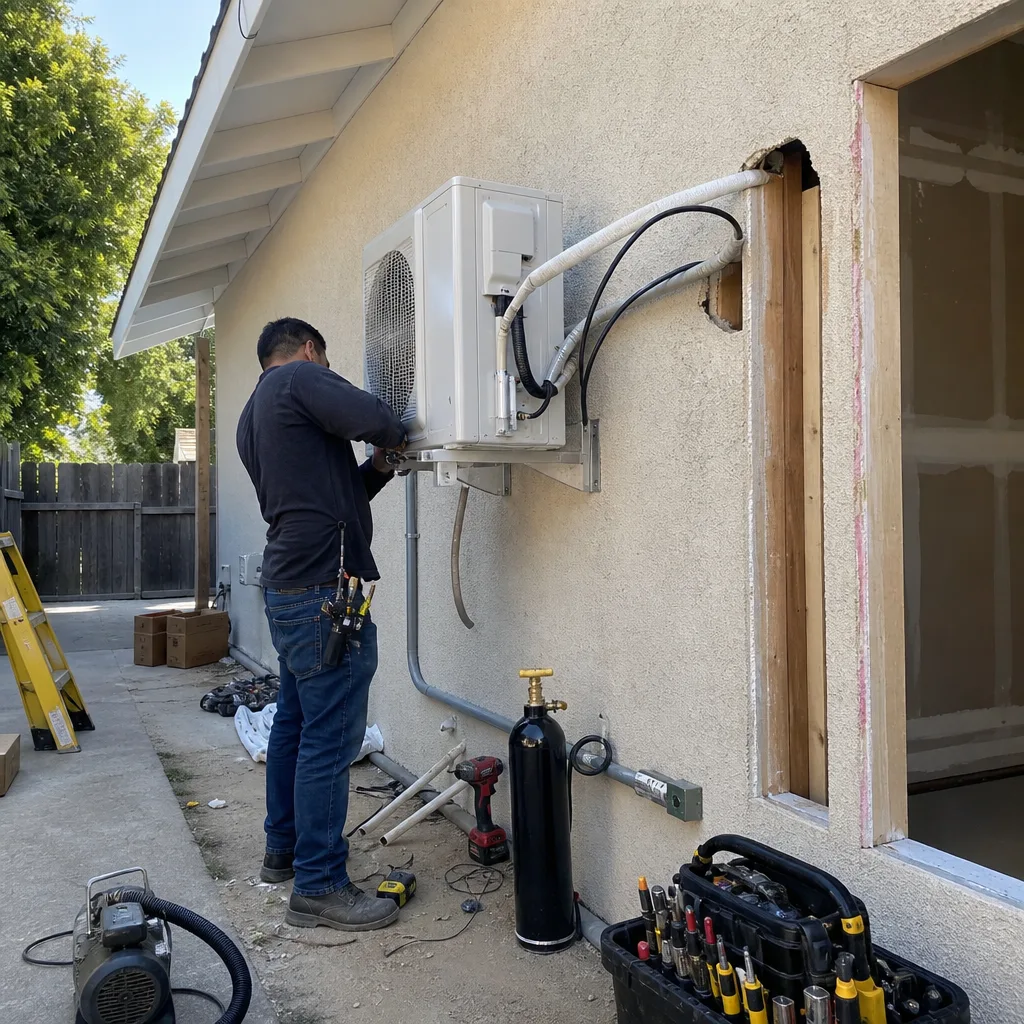
A 500-square-foot garage conversion ADU in Riverside typically costs $85,000-$128,000 as an owner-builder and $95,000-$140,000 under a design-build contract with a licensed studio. The 8-15% premium purchases permit expertise, schedule accountability, and warranty coverage that the owner-builder assumes personally. Call (951) 418-2910 for an exact quote on your specific property, estimates are free.
California Business and Professions Code Section 7044 permits owner-builder status only if you have occupied the primary residence for six months, personally perform the work or hire licensed subcontractors for each trade, and accept a five-year resale disclosure obligation. You cannot perform electrical, plumbing, or structural work without the appropriate CSLB license. The owner-builder permit is not a general exemption from licensing requirements.
You pay all correction costs and re-inspection fees, and you requeue for the next available inspection slot, typically 5-10 business days in Riverside’s current volume. If you scheduled subsequent trades based on a presumed pass, you absorb their reschedule costs or lose them to other jobs. A licensed contractor bears these costs and maintains trade relationships that prioritize correction callbacks.
Yes, if you sell within five years of final inspection. California requires disclosure of owner-builder status on the Transfer Disclosure Statement, which alerts buyers, lenders, and title insurers. Some conventional lenders require additional structural inspections or impose rate adjustments. The disclosure does not prevent sale, but it introduces friction and potential cost that a contractor-built ADU avoids.
Interior painting after final mechanical and electrical inspection, finish carpentry, landscaping, and non-structural fixture installation are commonly permitted under a contractor’s building permit with a written contract amendment. The contract must define the handoff point, material specifications, protection responsibility, and completion deadline. Rough electrical, plumbing, gas, structural work, and roofing remain licensed-only tasks.
Prefab modules require the same permit and site work as site-built ADUs. The manufacturer may offer turnkey service or module-only sales. A design-build studio with prefab fluency, like Ellery ADU Studio Riverside, coordinates manufacturer delivery, local foundation and utility work, and final assembly under a single written contract. Without this coordination, homeowners risk delivery-schedule misalignment with site-readiness, accruing storage fees and delay costs.
The Bottom Line
The DIY-versus-professional question for ADUs in Riverside is a permit authority question first, a cost question second, and a skill question only third. California law structures owner-builder status with occupancy requirements, trade licensing boundaries, and resale consequences that most homeowners do not discover until they are committed. The true comparison is not sweat equity versus hired labor. It is personal assumption of permit risk, inspection liability, and five-year sale restriction versus a written contract that transfers those risks to a licensed party with documented accountability.
For homeowners who want hands-on involvement, the structured middle path, owner-performed finish work inside a professional contract, preserves both participation and protection. For those who need the ADU completed predictably, financed cleanly, and saleable without disclosure friction, the design-build contract is not an expense. It is a risk allocation instrument with a known price.
Written by Nadia Ellery, Owner at Ellery ADU Studio Riverside, serving Riverside since 2015.