
Cover Junior ADU Conversion: The Riverside Owner’s Guide
We stock and install Cover-compatible junior ADU conversion systems in Riverside, with typical installed pricing running $85,000-$145,000 all-in, drawings through final inspection. Most Cover units we service are the 350-square-foot and 450-square-foot interior conversion configurations designed for garage or existing-structure retrofits. If your Cover system’s mechanical, electrical, or structural components are showing strain, we carry the spec-matched replacement parts and can typically assess and quote within 48 hours.
Most Riverside owners discover a failing Cover component during the pre-permit feasibility phase, when our field measurement reveals that the original modular connection points, moisture barriers, or HVAC integration hardware no longer meet the current California Residential Code cycle. Others notice it mid-construction, when the Cover unit’s factory-sealed electrical chase or plumbing manifold proves incompatible with Riverside’s specific utility tie-in requirements. Either way, the part failure is rarely the component itself, it’s the mismatch between Cover’s standardized specification and your specific structure’s age, soil, or framing.
Which Cover Models This Applies To
We work with Cover’s full junior ADU conversion line: the Cover Studio (typically 350 sq ft), Cover One (450 sq ft), and the limited-run Cover Accessory units produced between 2019 and 2023. The identifying label is a metal data plate on the electrical panel housing, not on the exterior cladding. That plate lists the model prefix, production quarter, and the critical spec: whether your unit shipped with the Series A or Series B structural connection kit.
Series A units, common in pre-2021 installations, use a 4-inch bolt pattern at the foundation interface. Series B shifted to 6-inch spacing to accommodate Riverside’s expansive clay soils and the lateral load requirements that tightened in the 2022 California Residential Code update. We stock both patterns, but ordering wrong means a 3-week factory lead time. For Cover specifically, we source OEM connection hardware directly from Cover’s parts channel, but we also specify third-party moisture barriers and flashing from DuPont or Henry when Cover’s factory membrane has degraded in Riverside’s 110°F summer attic conditions. The OEM-versus-aftermarket decision hinges on whether your original warranty is still active, Cover’s warranty transfers only to the original purchaser and requires OEM parts for claims.
Signs Your Cover Junior ADU Conversion Is Failing
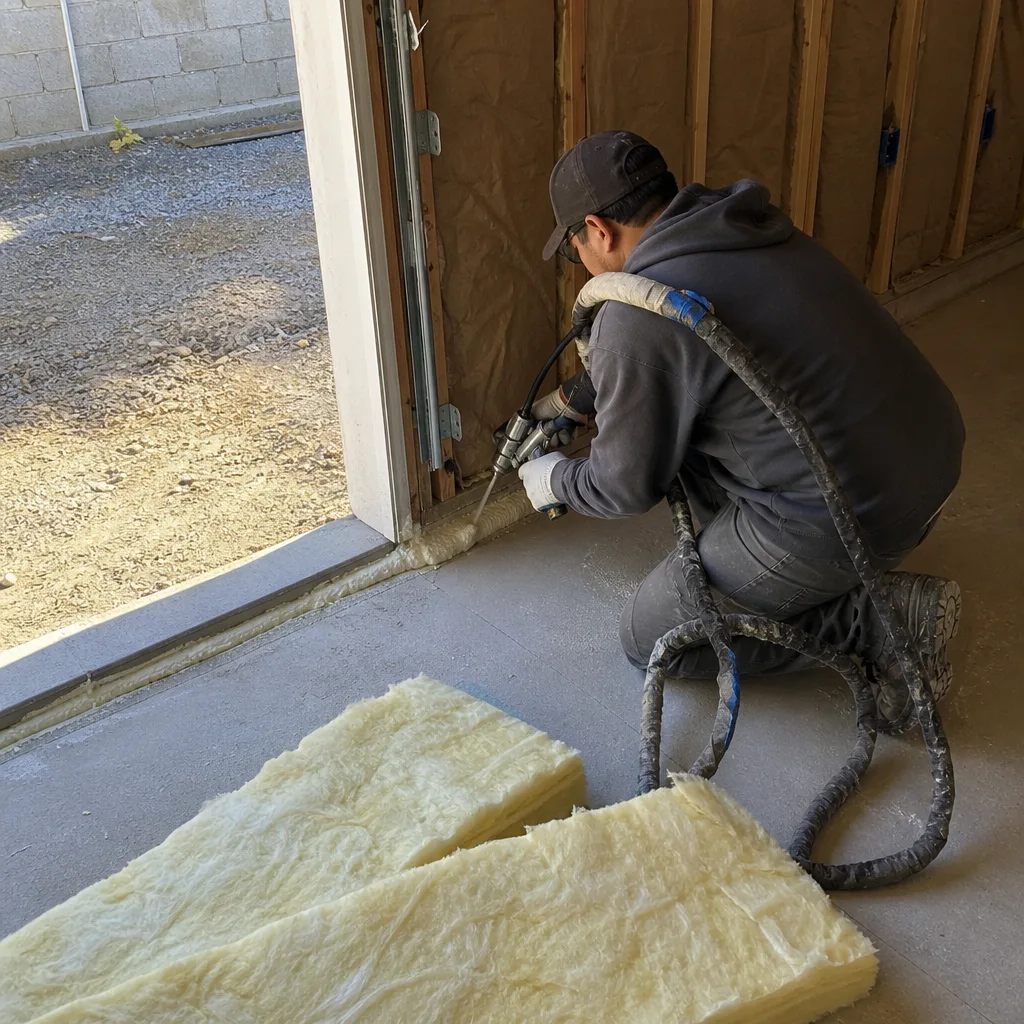
- Visible separation at the module-to-structure seam. Cover units rely on a continuous gasket and bolted compression fit where the prefab box meets your existing garage or interior walls. In Riverside, thermal cycling between 40°F winter nights and 105°F summer days hardens that gasket within 6-8 years. The gap that opens lets in moisture, and the gap grows because the bolted connection was torqued for a flexible gasket, not a rigid one.
- HVAC short-cycling or uneven temperatures. Cover’s factory mini-split integration uses a proprietary line-set chase through the module’s roof plane. When the chase seal degrades, Riverside’s dust and pollen infiltrate the refrigerant insulation, causing the compressor to labor. We see this most in units facing west, where afternoon sun loads the roof chase beyond its design delta-T.
- Electrical panel nuisance tripping. The Cover unit’s subpanel, sized at 100A for most junior configurations, can overheat if the original aluminum bus bars weren’t derated for Riverside’s ambient attic temperatures. The 2020 NEC temperature correction factors apply here, and many early Cover installations missed this by half a step.
- Floor deflection or a “bouncy” feel near the entry. Cover’s junior units ship with a 3/4-inch T&G subfloor over engineered joists at 16 inches on center. When set on an existing slab with more than 1/2-inch variance in 10 feet, that joist system transfers point loads unevenly. Riverside’s older garage slabs, poured before 1980 without vapor barriers, are notorious for this.
- Permit rejection at plan check for “non-conforming modular attachment.” Riverside’s Building & Safety division has tightened its reading of CBC Section 1705.12 for modular-to-site connections. If your Cover unit’s original structural calculations didn’t include a Riverside-specific geotechnical note, plan check may flag it, even if the unit passed inspection years ago. This is a parts-and-documentation failure, not a construction failure, but it stops the project.
Replacement Cost & What’s Included
For Cover junior ADU conversion component replacement in Riverside, we quote in three tiers. Structural connection hardware replacement, including gaskets, bolts, and seismic bracing, typically runs $4,200-$7,800 installed. HVAC chase and mini-split line-set rework adds $3,500-$6,200. Full electrical subpanel and service upgrade, when the existing bus configuration won’t pass current inspection, ranges $5,800-$11,400. These are parts-plus-labor figures, and we itemize each line in writing before you sign, per Haven Standard Clause 1.
What drives the range: access (finished drywall removal and replacement), the age of your original Cover production run (Series A parts are scarcer), and whether Riverside Building & Safety requires a full structural re-review or accepts our engineered letter of equivalency. Our 365-Day Done Right Promise covers all replacement work. If the installed part doesn’t perform as specified, we return, diagnose, and correct at no charge. The document you leave our office with should answer every question your neighbor is about to ask you.
DIY or Call Us?
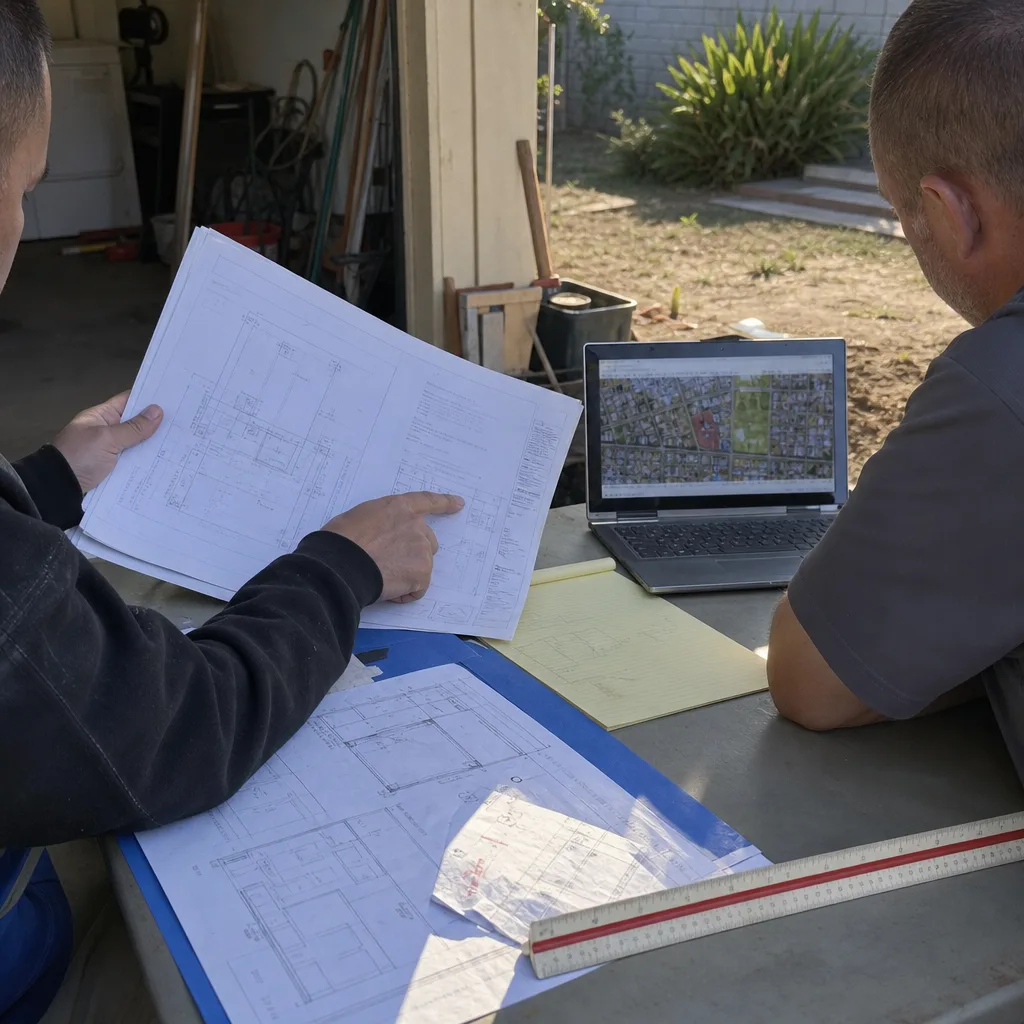
There’s a clear line here. An owner can safely verify the model and series from the data plate, photograph any visible gaps or stains for our review, and check the subpanel’s manufacture date. What goes wrong past that point: the structural connection hardware is pre-tensioned to a specific torque sequence that Cover doesn’t publish publicly, over-torque cracks the module’s corner post, under-torque voids the seismic rating. The electrical subpanel, if it has aluminum bus bars, requires an anti-oxidant compound and a calibrated torque screwdriver per manufacturer spec. Riverside’s inspectors know what they’re looking at.
We’re an independent service provider, not affiliated with Cover. We stock Series A and B connection kits, OEM and aftermarket moisture barriers, and the specific refrigerant line insulation rated for Riverside’s attic conditions. If you’re seeing any of the symptoms above, call (951) 418-2910. We’ll schedule a field assessment, photograph what we find, and deliver a written, itemized quote before any work begins.
FAQs
In Riverside’s climate, the structural connection hardware and moisture barriers typically perform for 15-20 years if the original installation accounted for thermal cycling and soil expansion. The HVAC chase seal and electrical subpanel are more vulnerable, often showing stress at 8-12 years due to attic temperature extremes. We recommend a structural and systems inspection at year 10. Call (951) 418-2910 to schedule, estimates are free.
Gaskets and seals, no, once compressed past their rebound threshold, replacement is the only code-compliant option. Electrical bus bars can sometimes be cleaned and re-torqued if oxidation is minor, but we document the condition with photos and give you the repair-versus-replace data in writing. Structural bolts and seismic clips are single-use torque-to-yield hardware per Cover’s specification. Call (951) 418-2910 and we’ll show you exactly what we found.
Structural connection hardware replacement requires 2-3 working days, including drywall removal, bolt access, re-sealing, and finish repair. HVAC chase work adds 1-2 days if refrigerant recovery and recharging is needed. Electrical subpanel replacement is typically 1 day, but if Riverside Public Utilities requires a service upgrade or meter relocation, permitting adds 2-4 weeks. We handle all permit submittals and inspections as part of our single-contract model. Call (951) 418-2910 for a timeline specific to your setup.
We stock Series B connection kits, moisture barriers, and HVAC chase components on-site in Riverside. Series A hardware and certain pre-2021 electrical configurations ship from Cover’s parts depot in 10-14 business days. We don’t start demolition until all parts are in hand, no one lives with an open module while waiting for a bolt kit. Call (951) 418-2910 and we’ll confirm availability against your data plate before we schedule.
Written by Nadia Ellery, Owner, Ellery ADU Studio Riverside at Ellery ADU Studio Riverside, serving Riverside and nearby areas.